AI films ·
The AI agenda: 4 November 2026
This time AI was one of the main subjects of an election. Voters in the US were voting not only on candidates but also on the data centres to be built near their homes, on their electricity bills and on how this technology should be governed.
Data centres on the ballot
According to projections, the Democrats won control of both the Senate and the House of Representatives. AI was among the questions in front of voters.

- Exit poll: According to the NBC News exit poll, 56% of voters called AI and data centres a “crucial” or “major” factor in their congressional vote. 76% of respondents oppose a data centre being built in their area.
- Local votes: There were 41 local data centre votes across the country, more than half of them in Ohio. According to Fortune, at least 14 municipalities in Ohio passed bans or restrictions. In Trenton, a proposal banning facilities above 25 megawatts passed with 80% of the vote. The results are not yet official.
- Ads: According to AdImpact figures reported by CNBC, $173 million was spent on campaign ads about data centres, almost all of them negative.
Why it matters: The most tangible parts of the AI race, concrete, water and electricity, are now a matter of local politics. From here on, a data centre permit can turn into a ballot paper.
Tech money didn’t get what it paid for
According to CNBC, Elon Musk spent at least $474 million on the elections. About $224 million of it went to Texas, where both the Republican Senate nominee Ken Paxton and Governor Greg Abbott lost to their Democratic opponents.
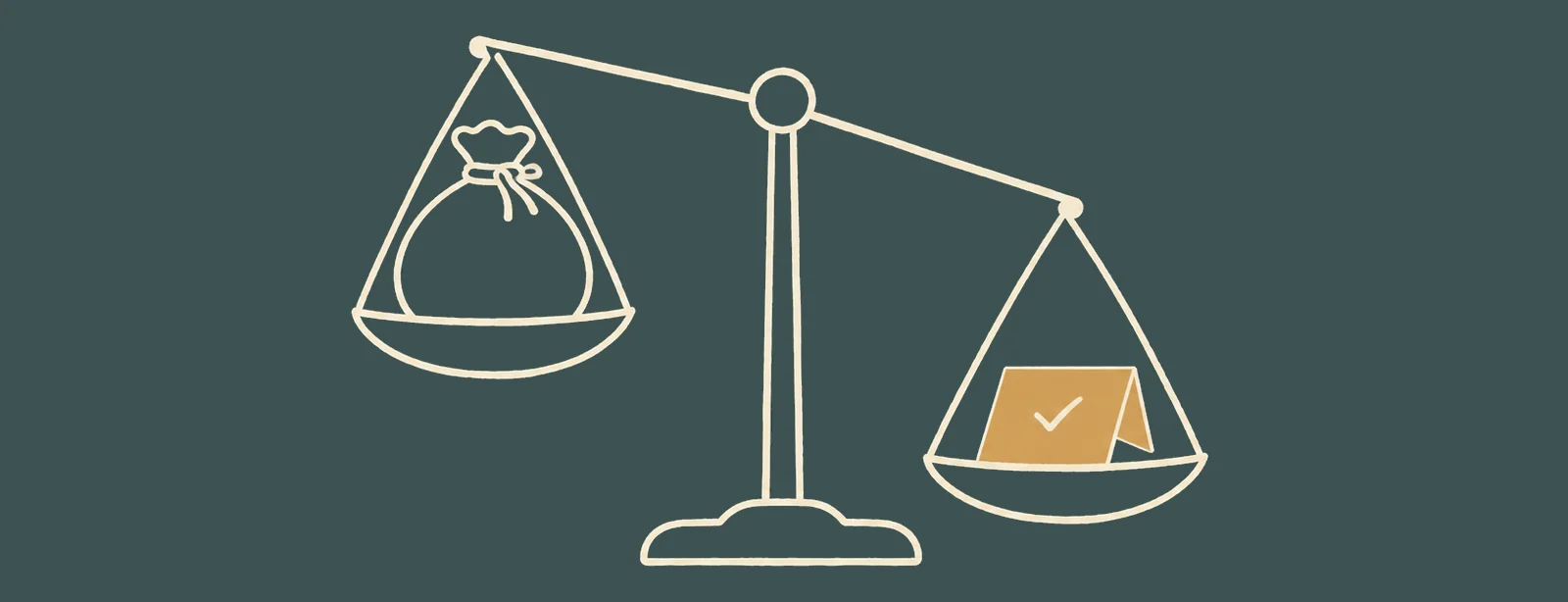
- Texas: The governorship went to Gina Hinojosa, who has called for a moratorium on new data centres and an end to the industry’s tax breaks. The state legislature stays Republican.
- Ohio: Sherrod Brown won the Senate seat with a campaign that targeted his opponent’s support for data centres.
- The industry’s PACs: In South Carolina, the senator backed with millions by the pro-AI Leading the Future network lost; the winner, Annie Andrews, wants a two-year moratorium on data centres in the state. In Florida, Byron Donalds, backed by the same network, won the governorship.
Logan Phillips, founder of Race to the White House, told Fortune that this “might just be the biggest defeat for big money in politics in American history.”
Why it matters: AI companies will be working with a different Congress from January, and permits may take longer locally. The night showed that money spent on politics is not always enough to outweigh local objections.
The market sold first, then recovered
After the results, US futures fell as much as 2% overnight before turning slightly positive in the morning. The fall was led by AI stocks in Asia, on worries that AI could face tougher regulation.

- Tesla and SpaceX: They fell 4.5-5% on Europe’s Tradegate platform. Other big tech stocks lost only 0.3-0.9%.
- Bonds and the dollar: The 10-year US Treasury yield fell 3 basis points to 4.92%. The dollar dropped to a one-month low.
Why it matters: The market first priced the election as a regulatory risk. That the first reaction faded within hours may show investors think the race won’t stop, only that its rules will change.
Altman: let’s not hand the future to superintelligence
In a three-sentence post on X, Sam Altman wrote that people should not hand control of the future to superintelligence, and that this requirement should also set limits on progress in AI.

The post continues the debate that began when Anthropic CEO Dario Amodei called on the industry to slow down in September. At the time, Altman backed the proposal, saying “we need to pace the frontier.”
Why it matters: The morning after election night, the word “control” became the same question at the ballot box and in the lab: who sets the pace?
From the film desk
The ballot-box objection to data centres makes the hidden cost of AI films visible: every generation in the cloud runs in a facility that uses electricity and water. For people who make AI films, the practical answer is fewer trial runs and better planning: settling the shot list and the frames in advance reduces both cost and needless generation.
Two dates we marked on 1 November
Two dates we put on the “what to watch this week” list on 1 November came up today.

- Apple Intelligence in China: The Chinese version, powered by Alibaba’s Qwen model, entered developer beta on 4 November, Beijing time. The beta includes writing tools, live translation, visual intelligence and photo clean-up, but not the new Siri shown at WWDC. General release is expected in December.
- Kimi K3.1 Pro: Today was also Moonshot’s deadline for the open weights. As this post was being prepared, K3.1 did not appear on the company’s Hugging Face page.
Images made with ChatGPT Images.
Source: CBS News, election results, Unite.AI, the NBC News exit poll, Fortune, the votes in Ohio, Capacity, local restrictions, CNBC, Musk and data centres, Fortune, big money in the election, The San Francisco Standard, tech money, RTÉ, the market reaction, The Tribune, Altman’s post, TechNode, the Apple Intelligence beta in China, Hugging Face, Moonshot AI