Brand & motion

Coffee Sociology

Made for FinCaffe

A documentary series for FinCaffe’s Instagram: coffee stories from the news, the back of a pack or a receipt, worked out with documents, notes and a writing hand.

01 / 06

Case file 1: Espresso Lab

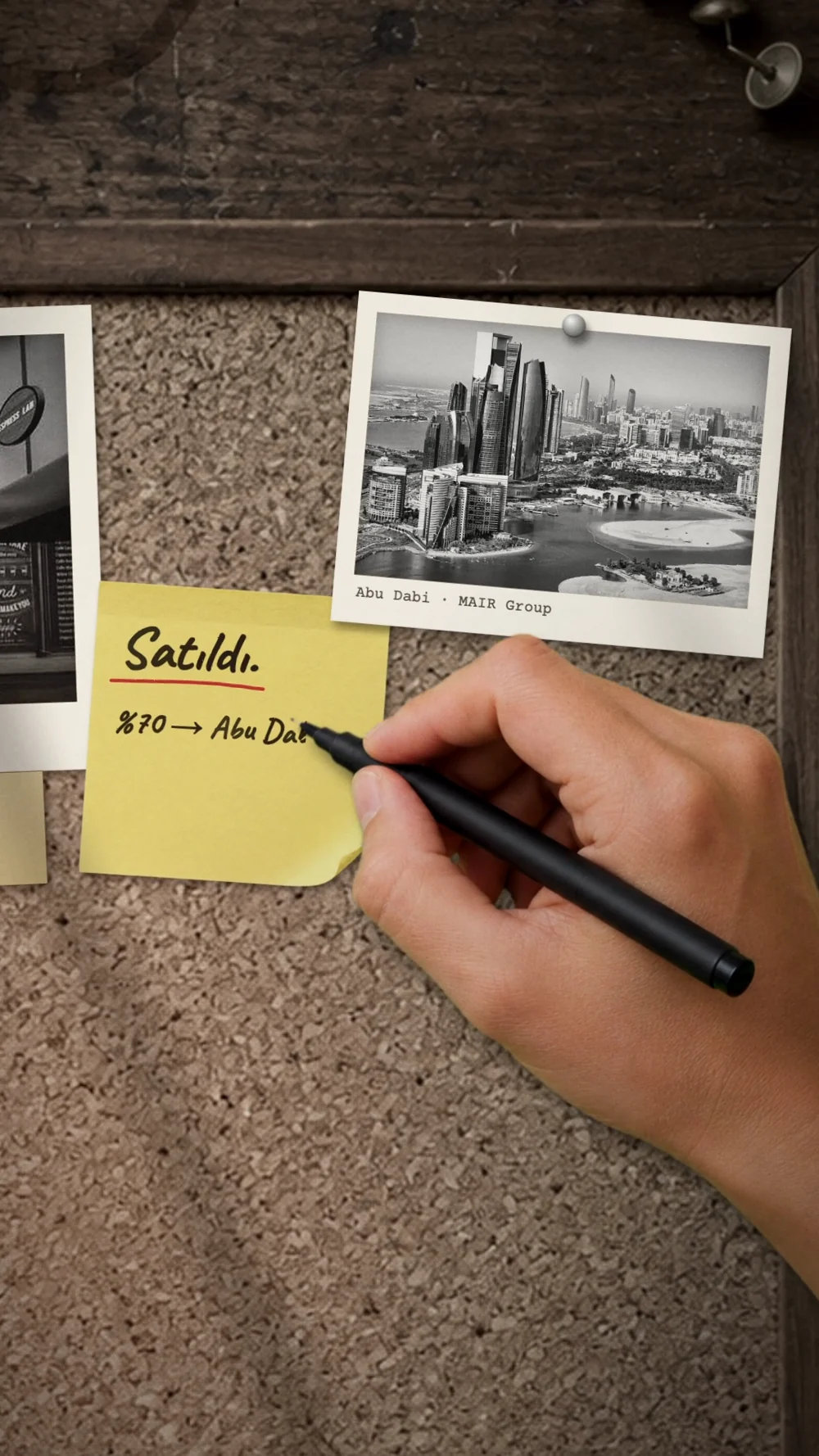
Espresso Lab was sold, 70% of it to Abu Dhabi’s MAIR Group. On a cork board I ask how one coffee company changed the way Turkey meets: tables, sockets, staying for hours, and the other reading of its success.
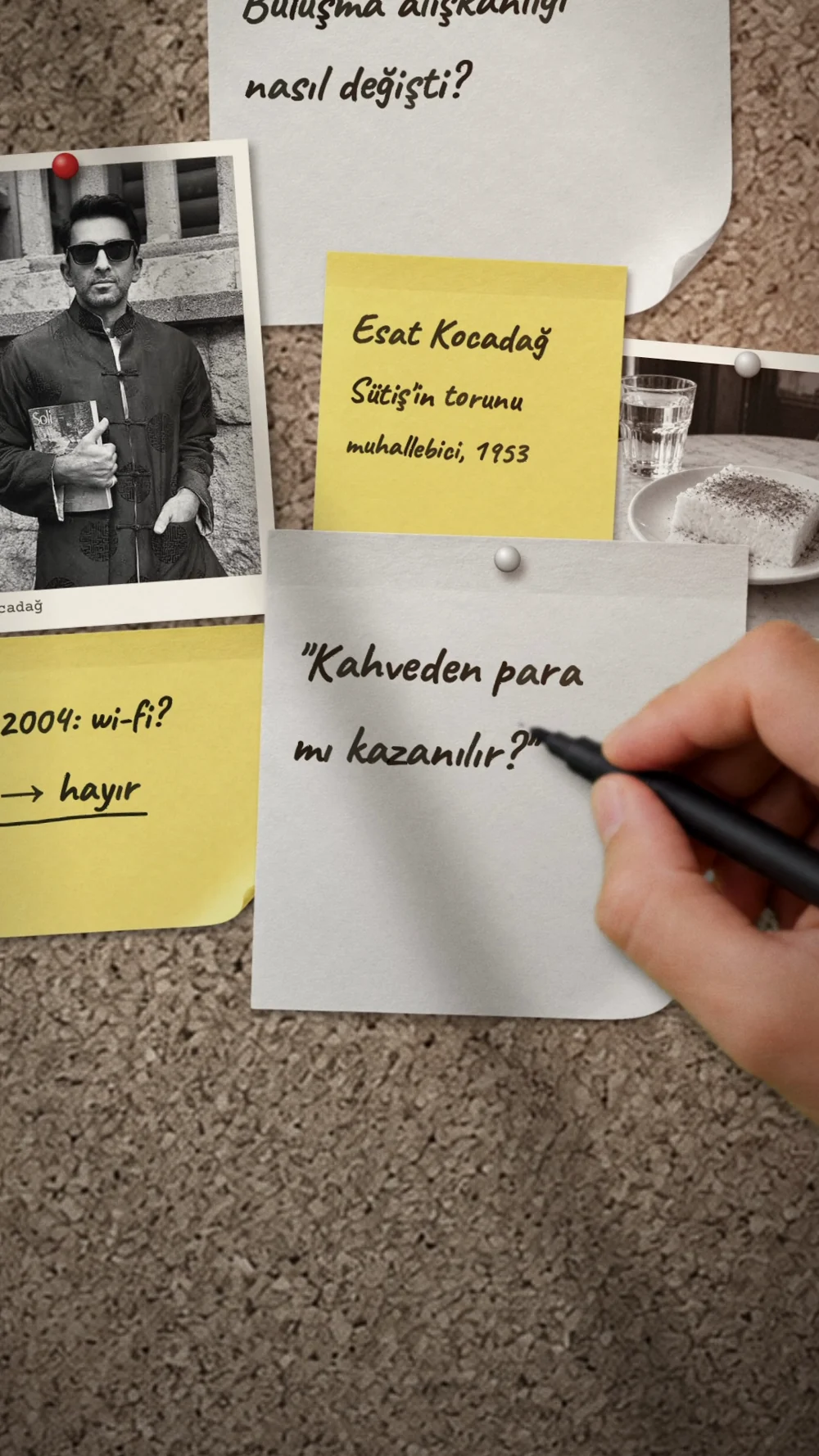
A note asking “Kahveden para mı kazanılır?” (Is there money in coffee?) beside a pinned portrait. Coffee Sociology, by Ömür Turgut.
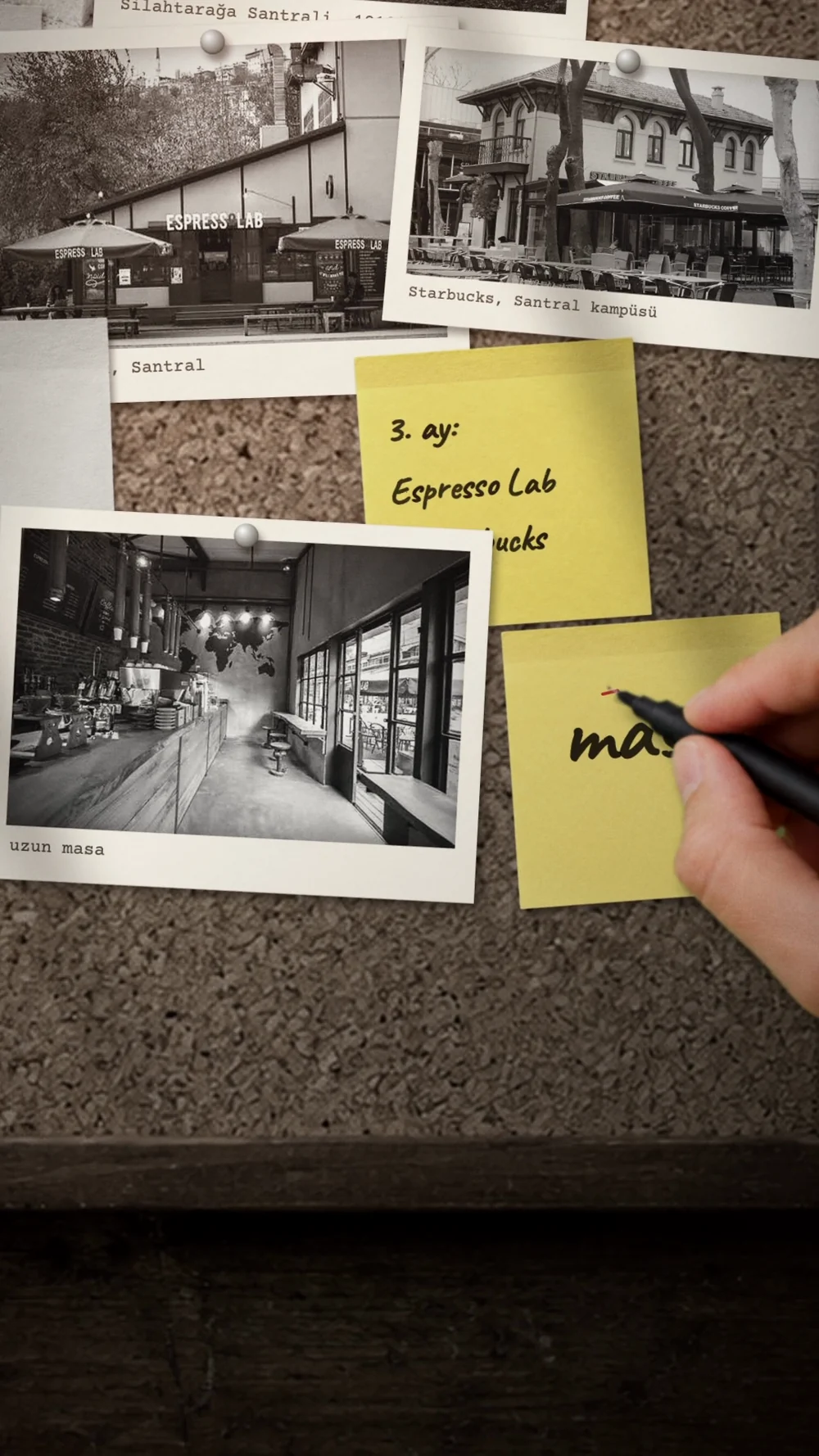
Black-and-white photographs of the early shops pinned to the board, with a note on the third month. Coffee Sociology, by Ömür Turgut.
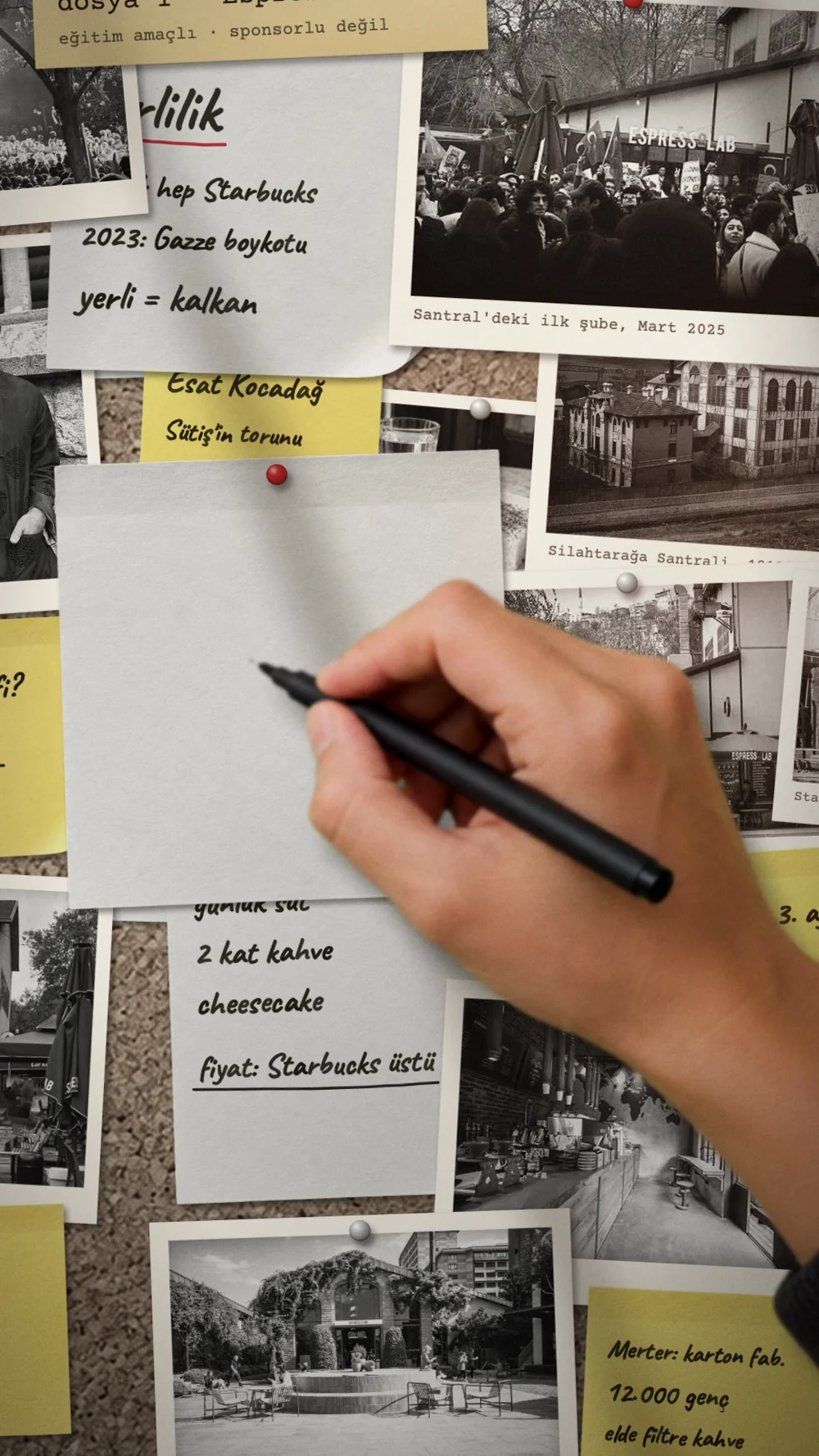
A hand writes under “yerlilik” (localness), among notes on boycotts and photographs of protests. Coffee Sociology, by Ömür Turgut.
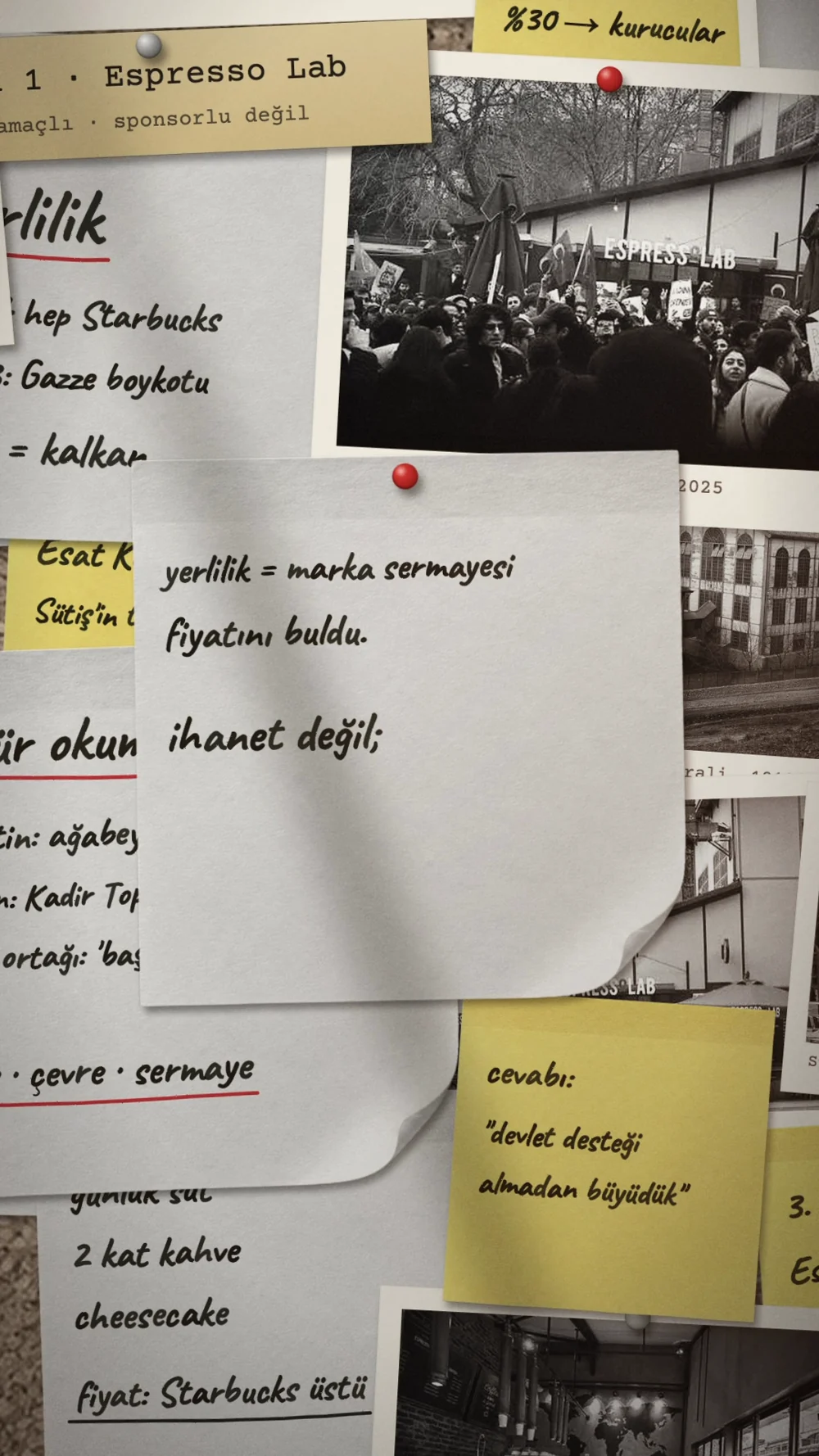
The finished board: “yerlilik = marka sermayesi fiyatını buldu” beside the answer “devlet desteği almadan büyüdük”. Coffee Sociology, by Ömür Turgut.

02 / 06

Case file 2: Nevada

Nevada Coffee went from 15 branches to 145 in four years. On a light table: Espresso Lab’s imitation complaint, the brand’s Colombian origin story, branches open until one on Friday nights, and the jokes about the “Nevada crowd”, with an older word underneath them.
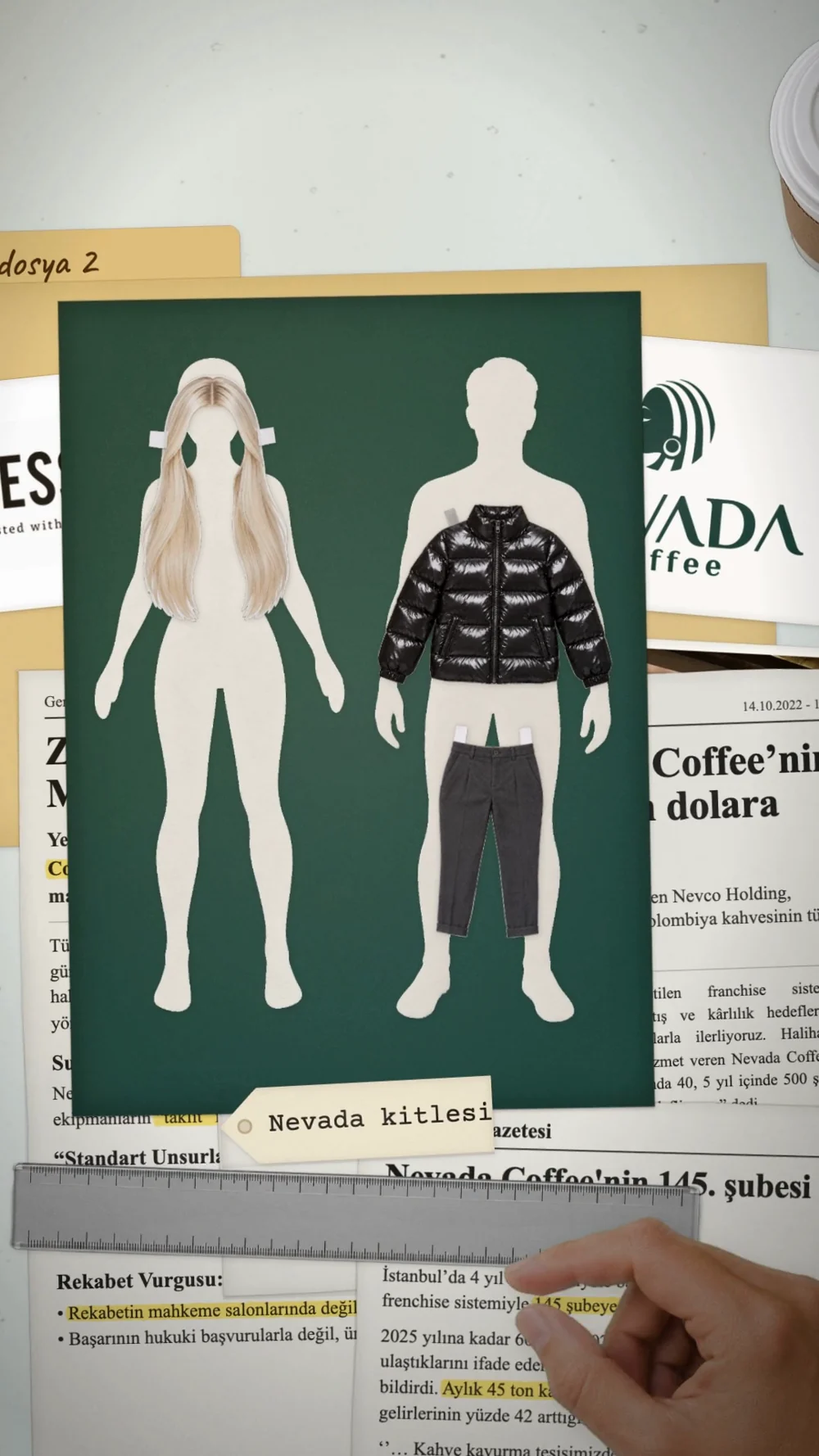
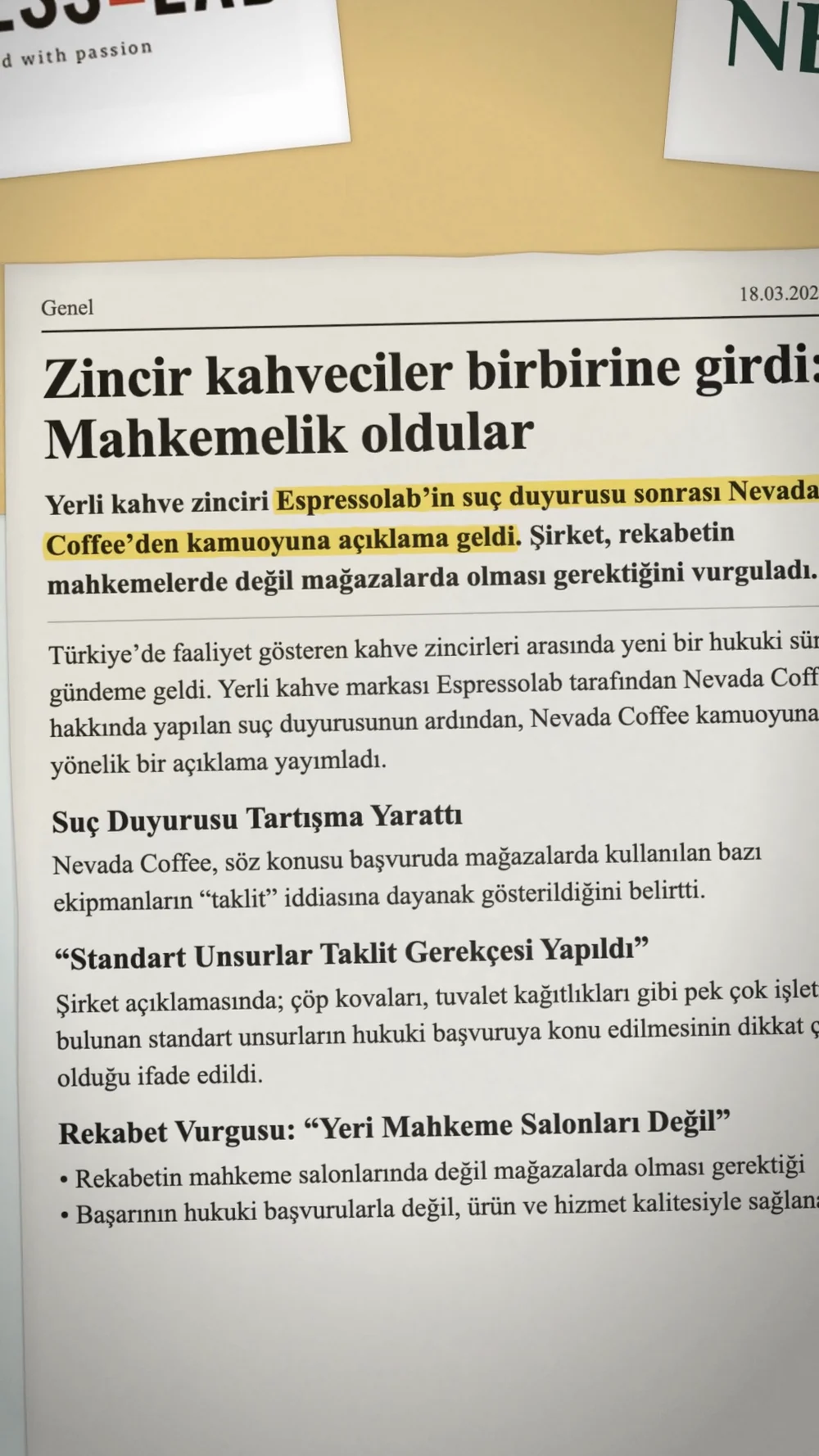
A newspaper page on the light table: “Zincir kahveciler birbirine girdi” (The coffee chains are at each other’s throats). Coffee Sociology, by Ömür Turgut.
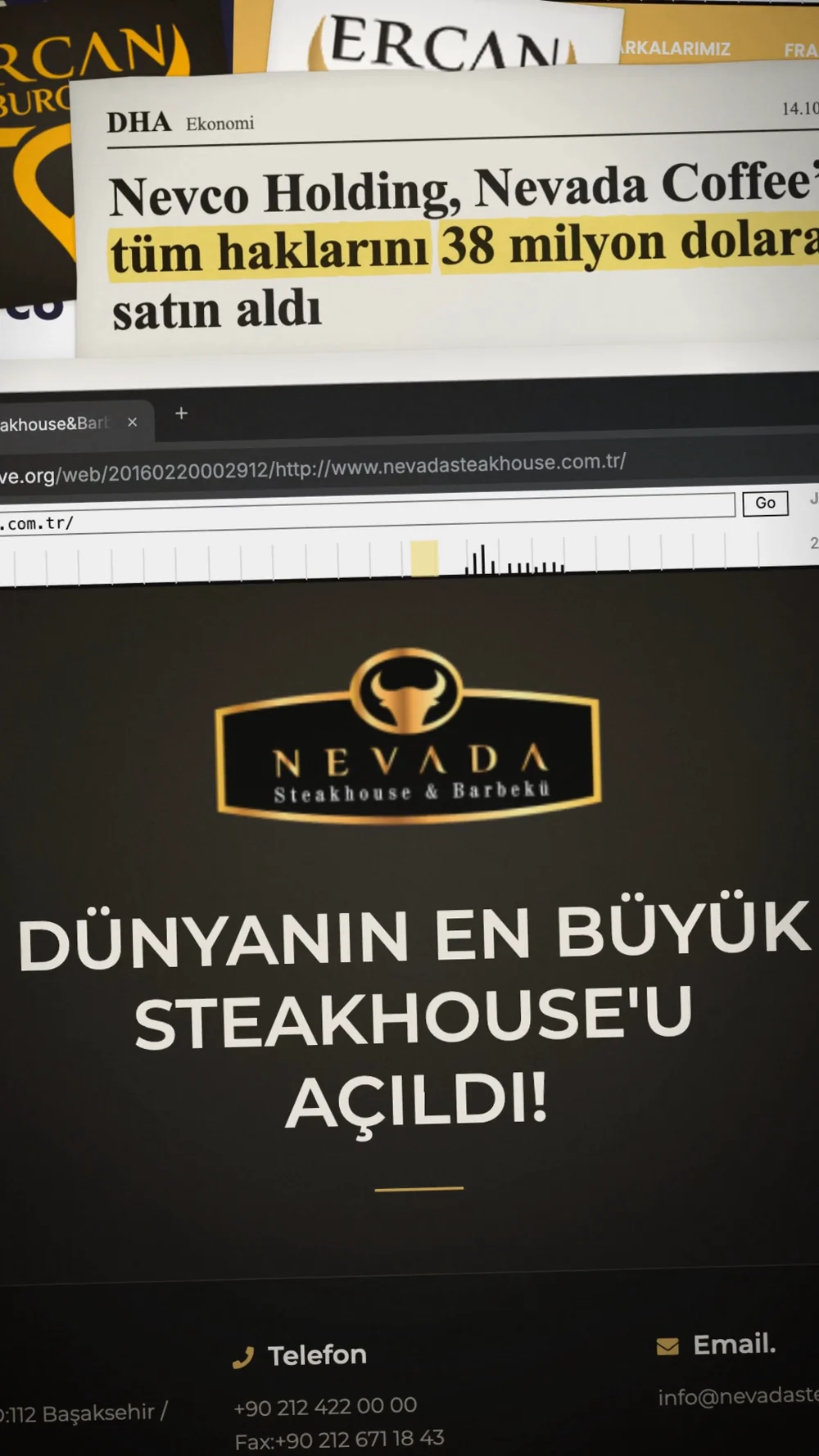
A cutting on Nevco Holding buying Nevada Coffee’s rights, over an archived page announcing “the world’s biggest steakhouse”. Coffee Sociology, by Ömür Turgut.
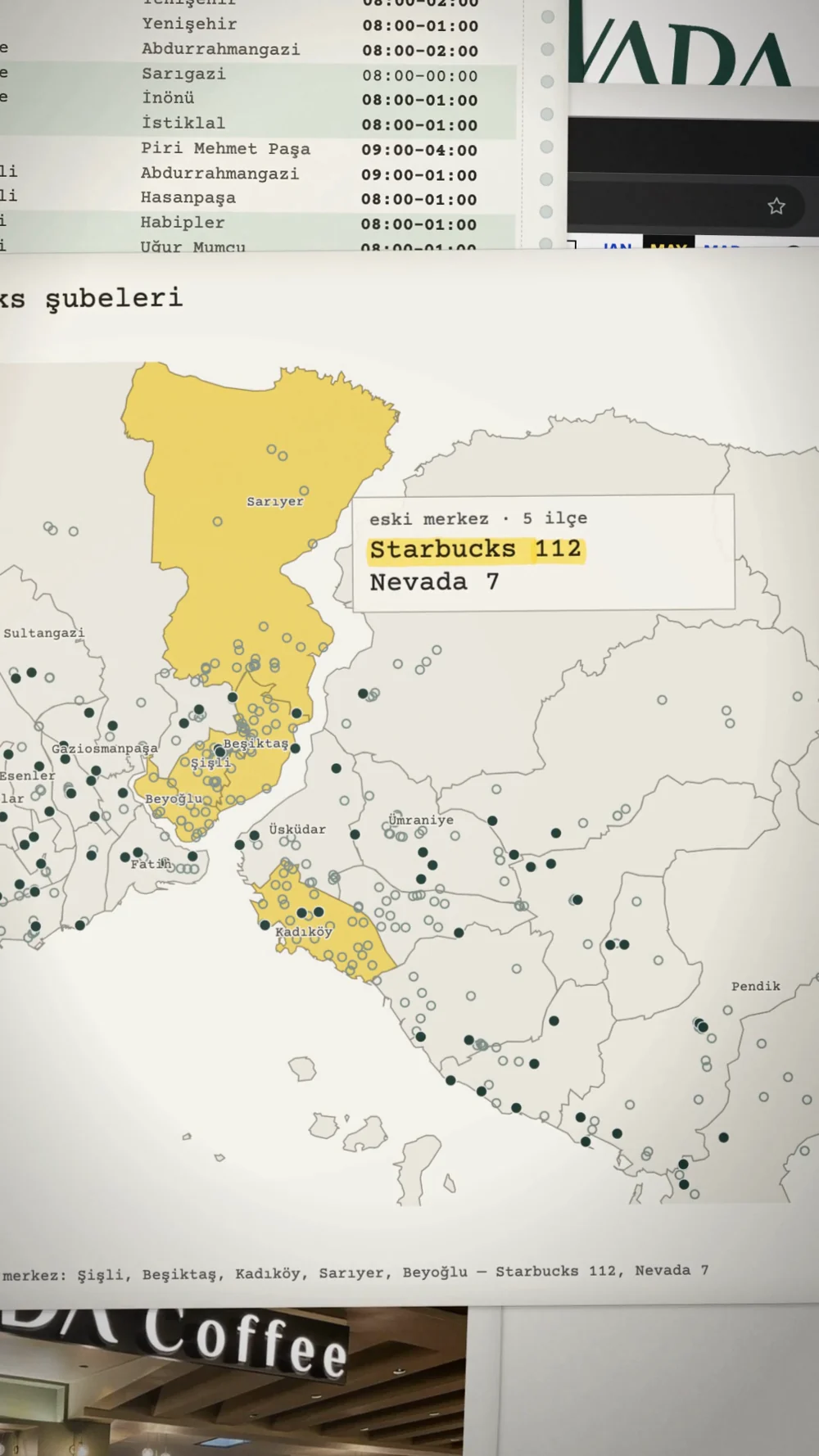
A map of branches in the old centre: Starbucks 112, Nevada 7. Coffee Sociology, by Ömür Turgut.
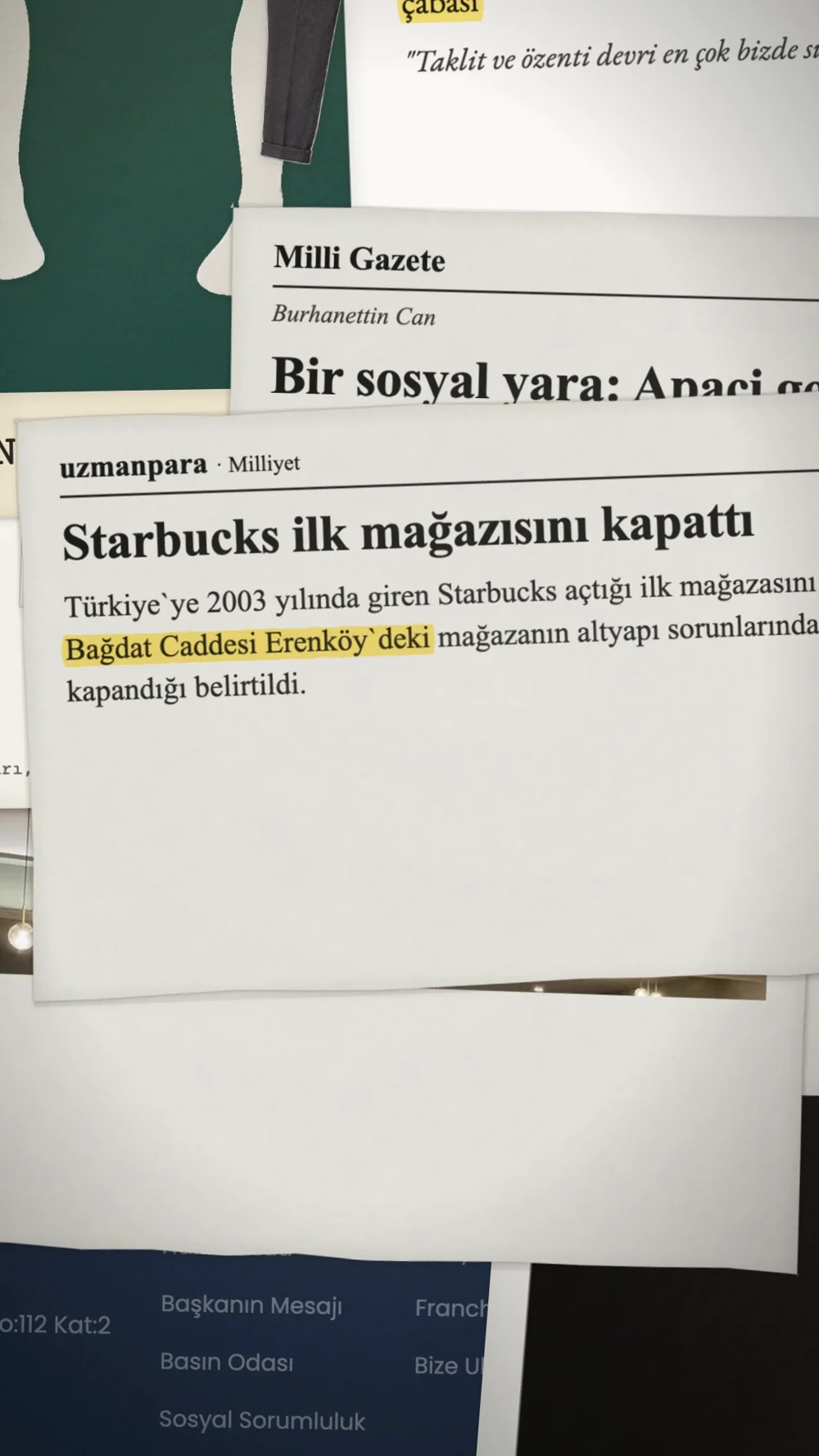
Cuttings on the light table, one headed “Starbucks ilk mağazasını kapattı” (Starbucks closed its first store). Coffee Sociology, by Ömür Turgut.

03 / 06

The Back of the Pack

The front of a coffee pack tells you its taste; the back says nothing. A hand fills it in: who grew it, which rule it answers to, and where the money goes.
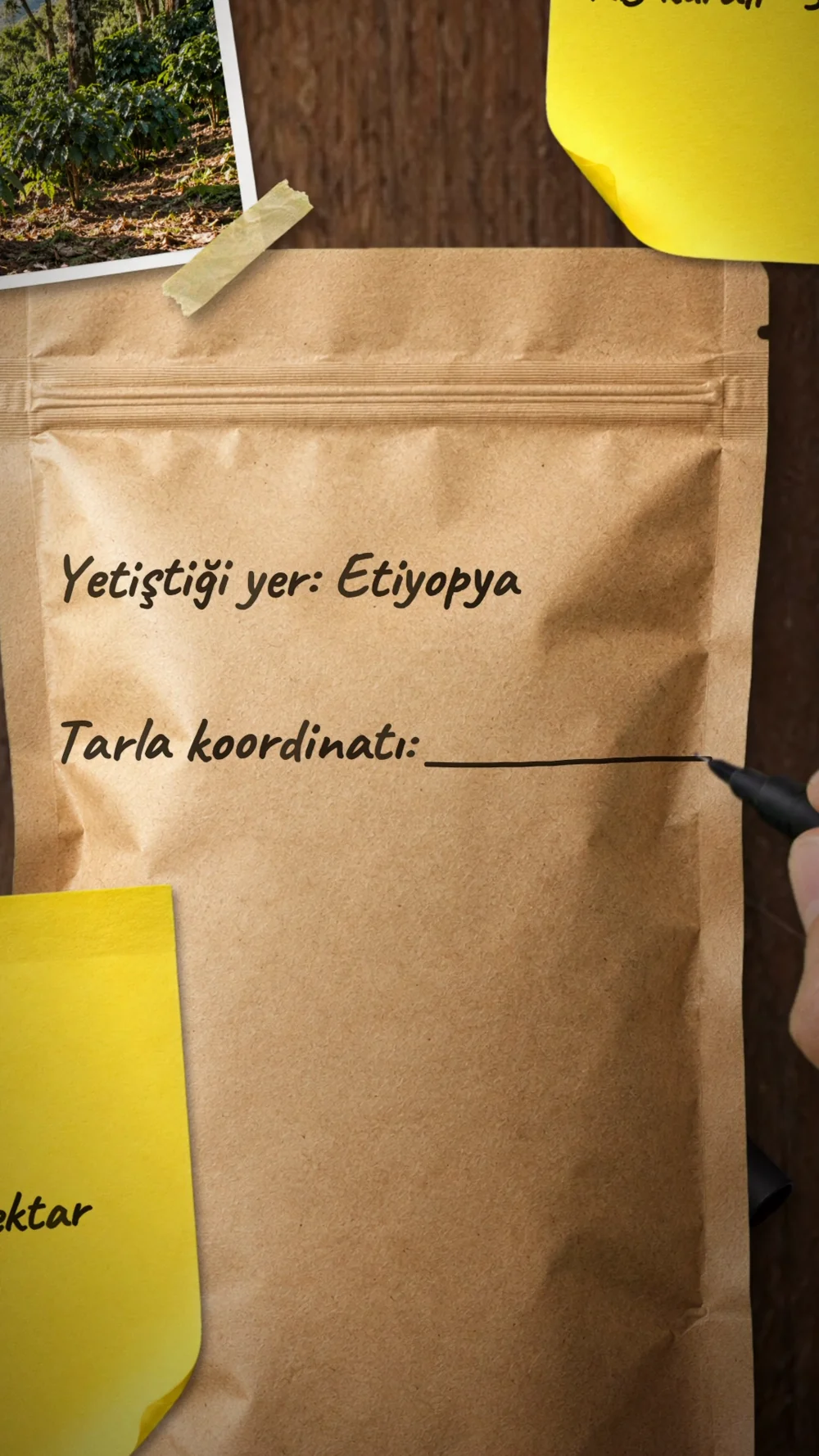
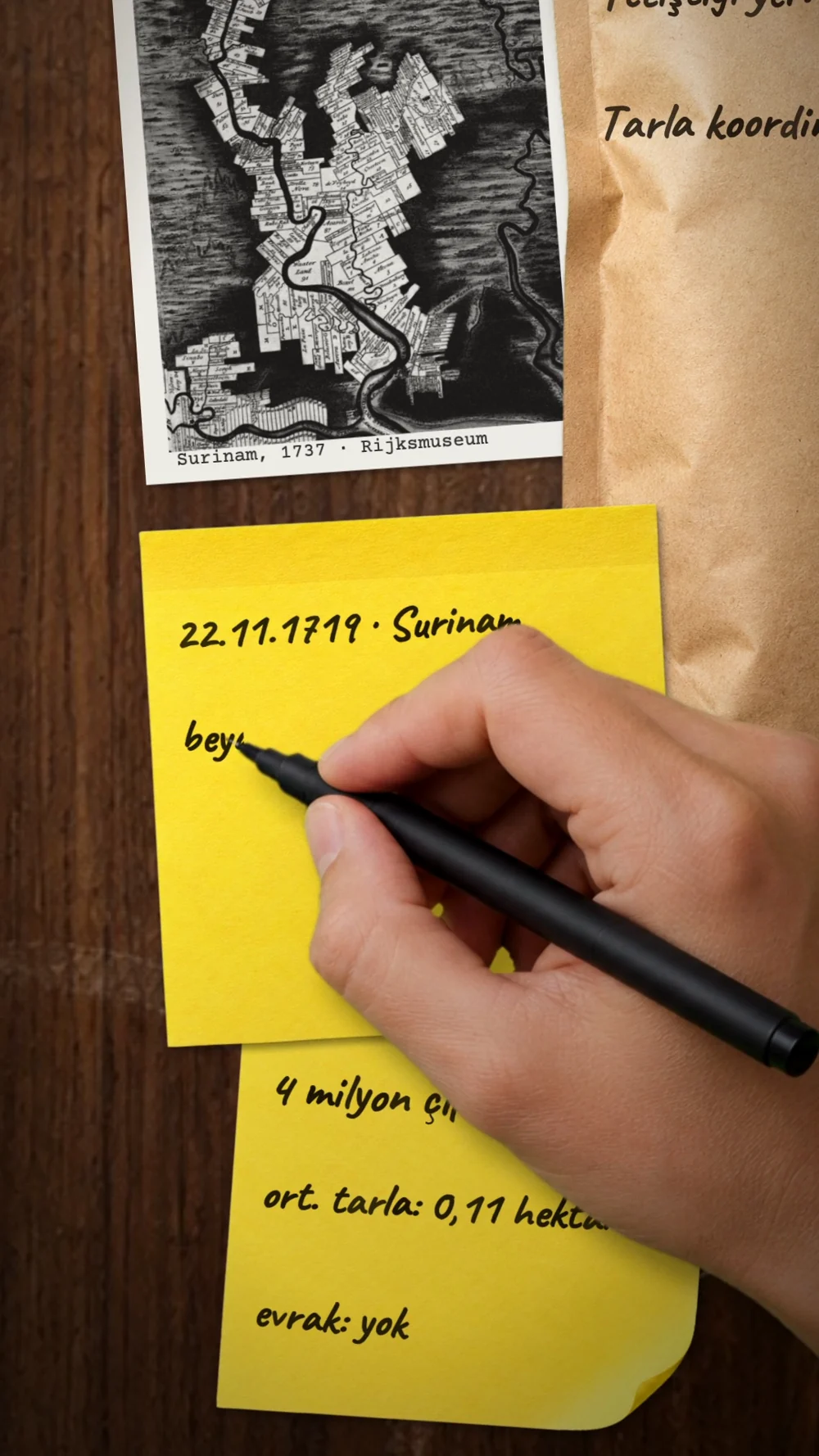
A hand writes “22.11.1719 · Surinam” on a yellow note under a 1737 map of Surinam. Coffee Sociology, by Ömür Turgut.
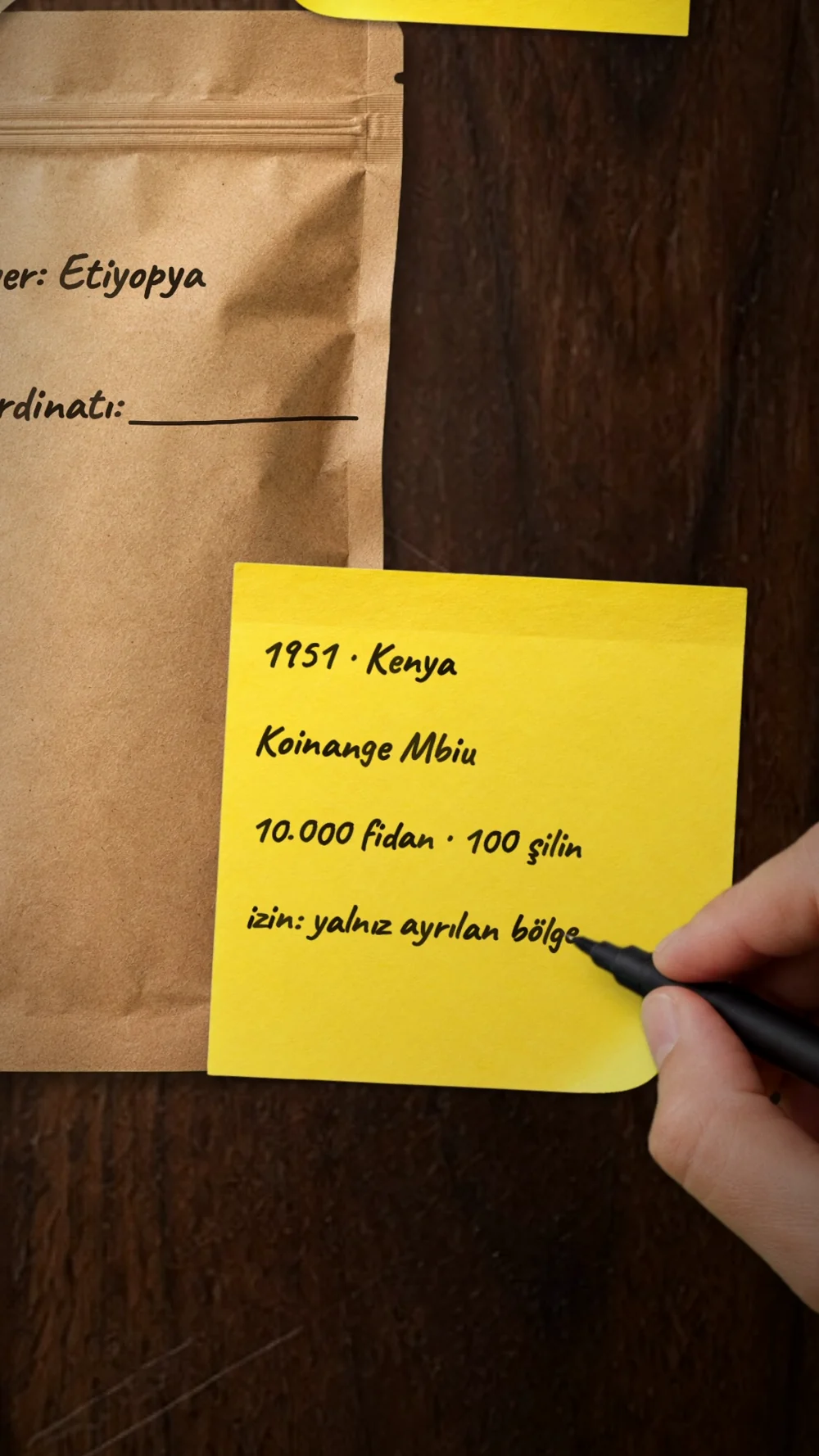
A note on Kenya in 1951: Koinange Mbiu, 10,000 seedlings, planting allowed only in set areas. Coffee Sociology, by Ömür Turgut.
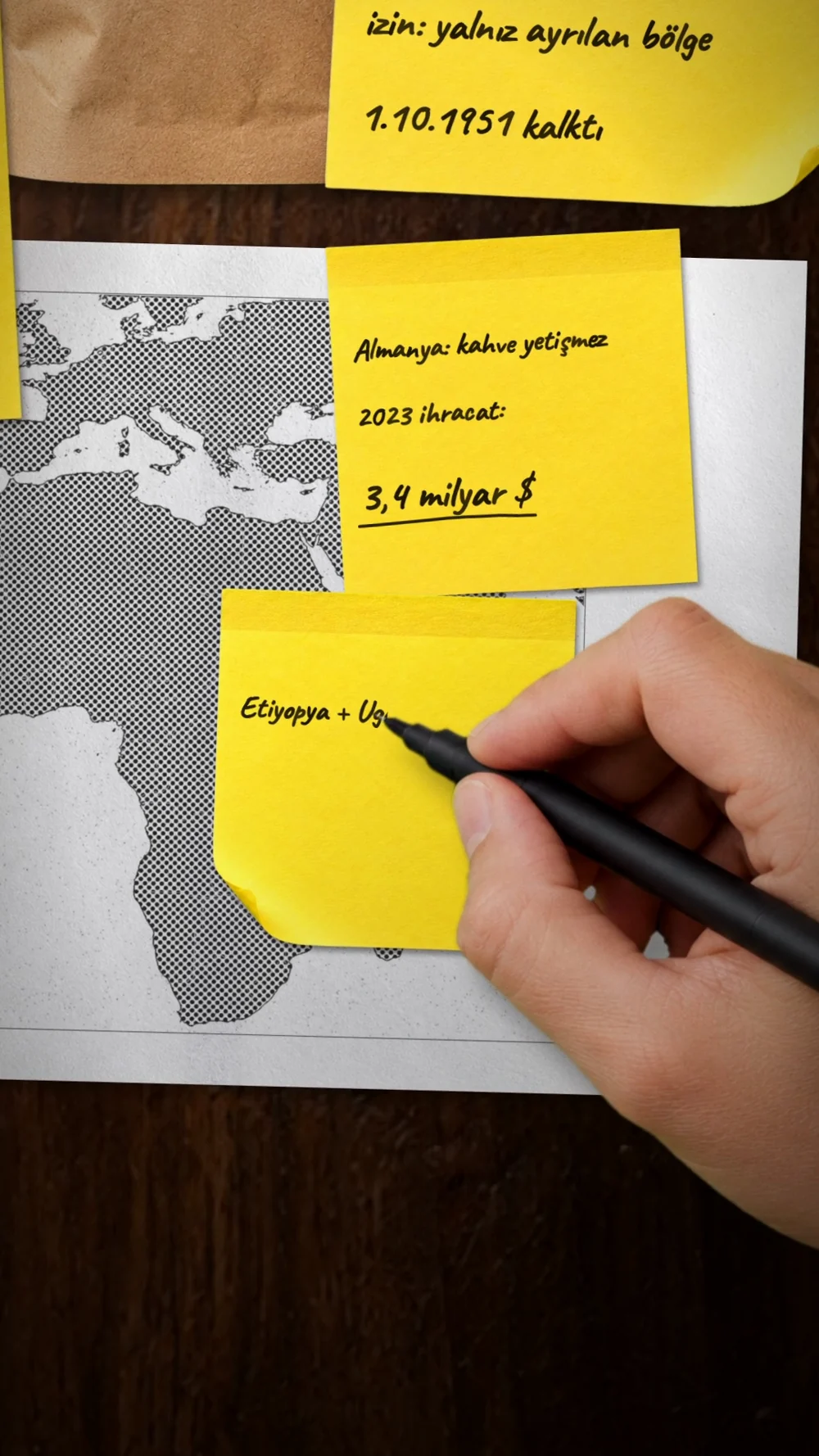
A map of Africa and Europe with the note “Almanya: kahve yetişmez · 2023 ihracat: 3,4 milyar $”. Coffee Sociology, by Ömür Turgut.
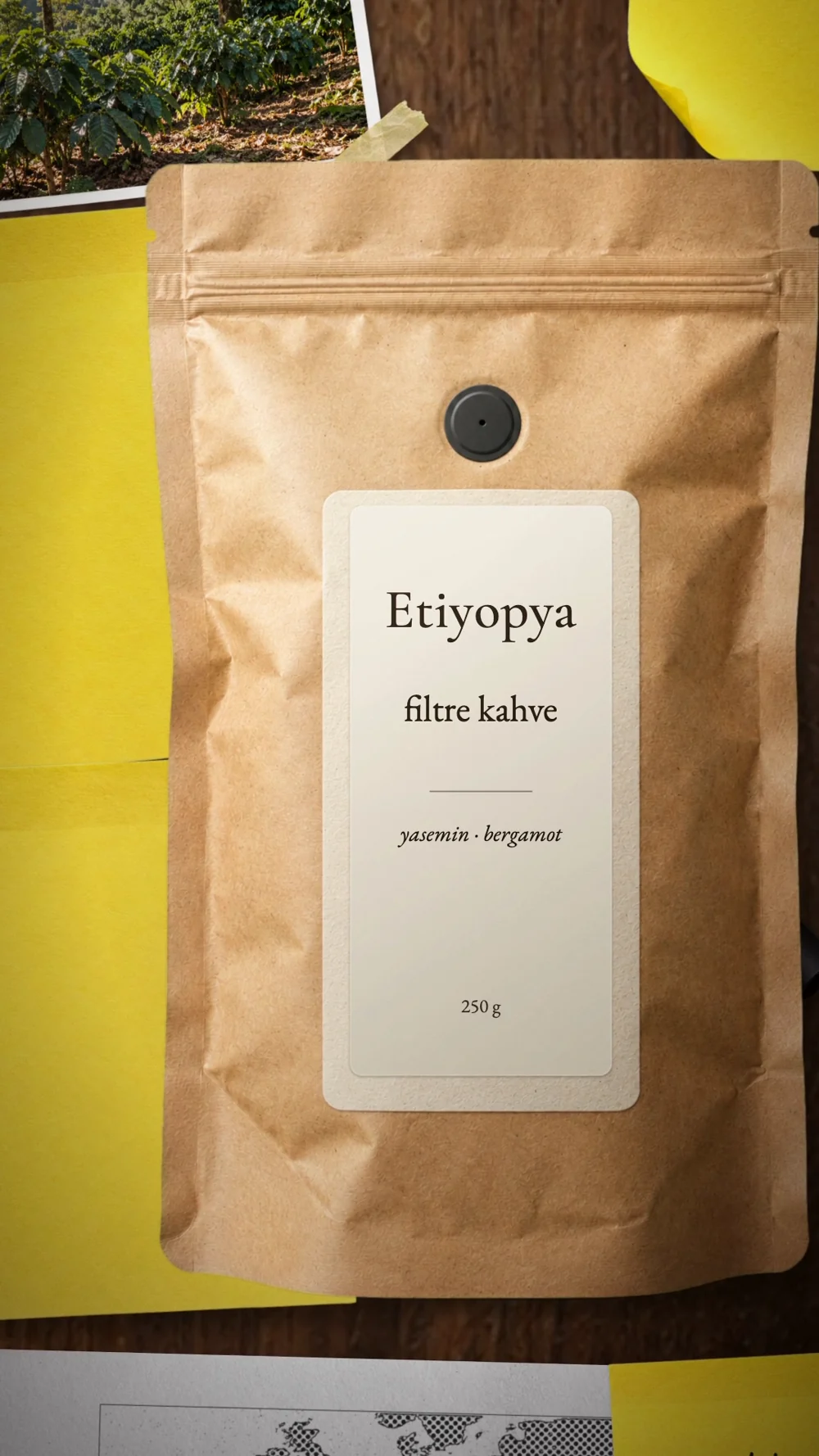
The pack turned round to its front: “Etiyopya, filtre kahve”. Coffee Sociology, by Ömür Turgut.

04 / 06

The Napkin Sum

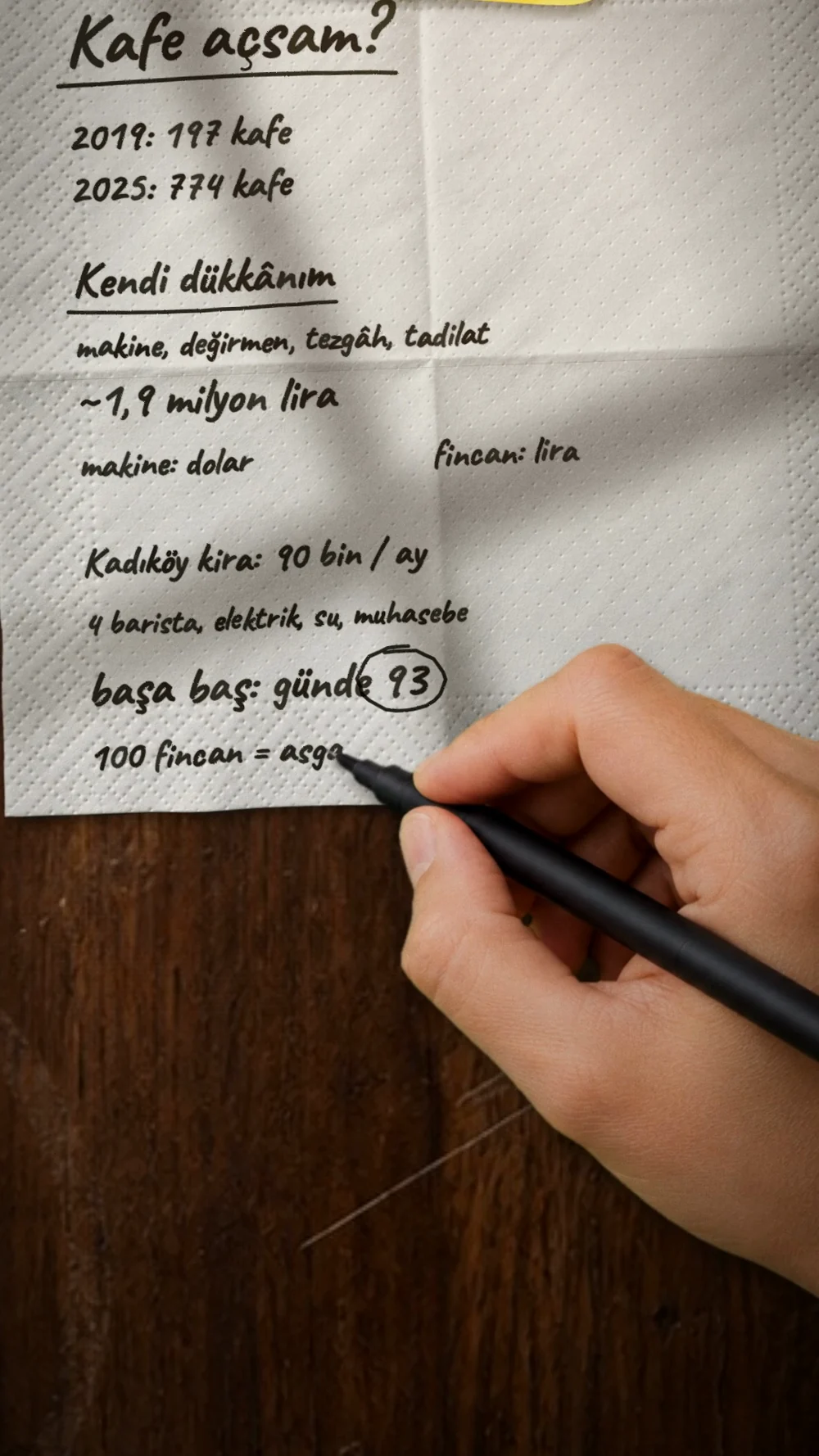
“What if I opened a café?” The sum everyone does on a napkin, done to the end: what a shop costs, how many cups a day break even, and how many minutes of the minimum wage one latte is.
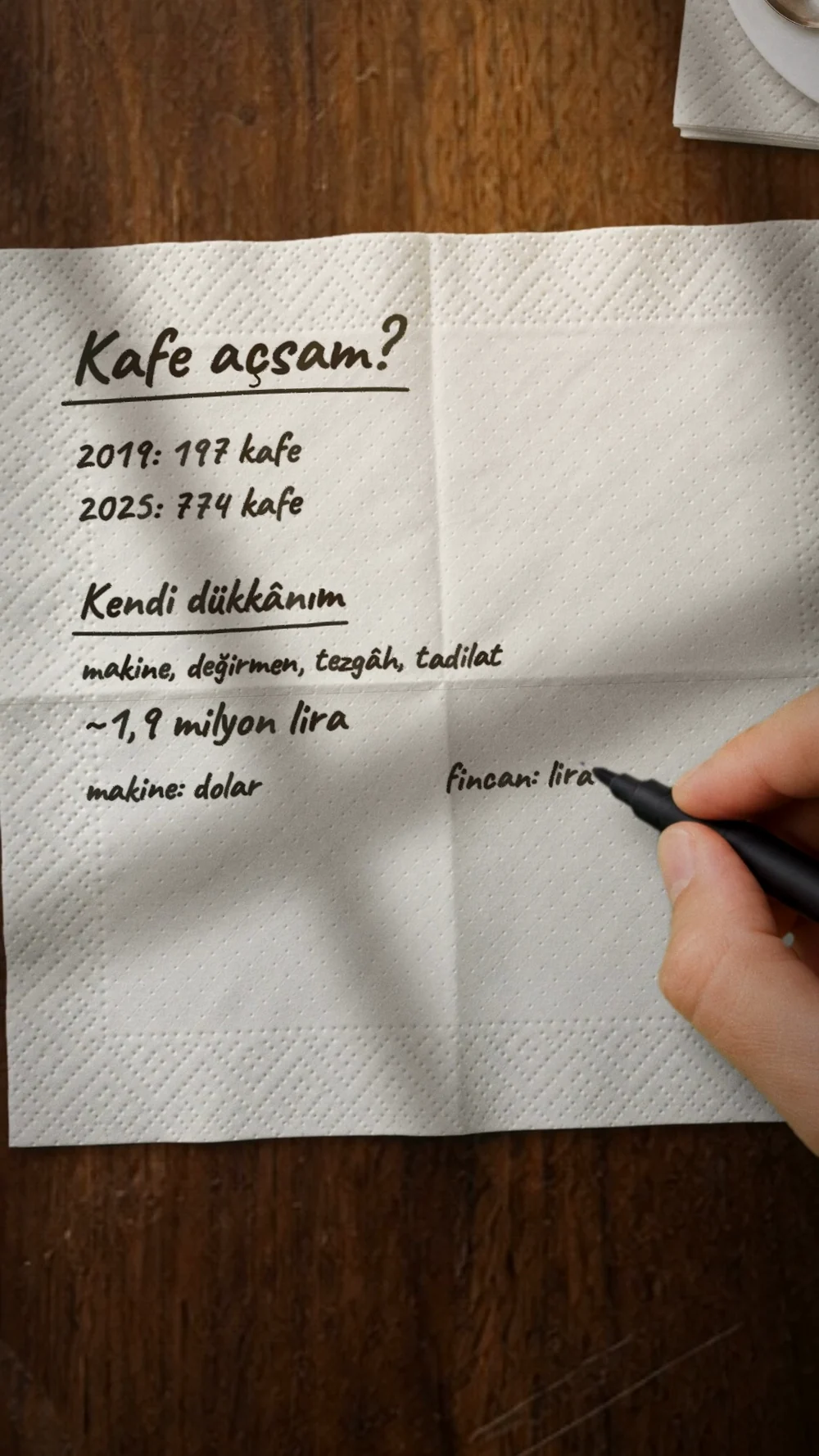
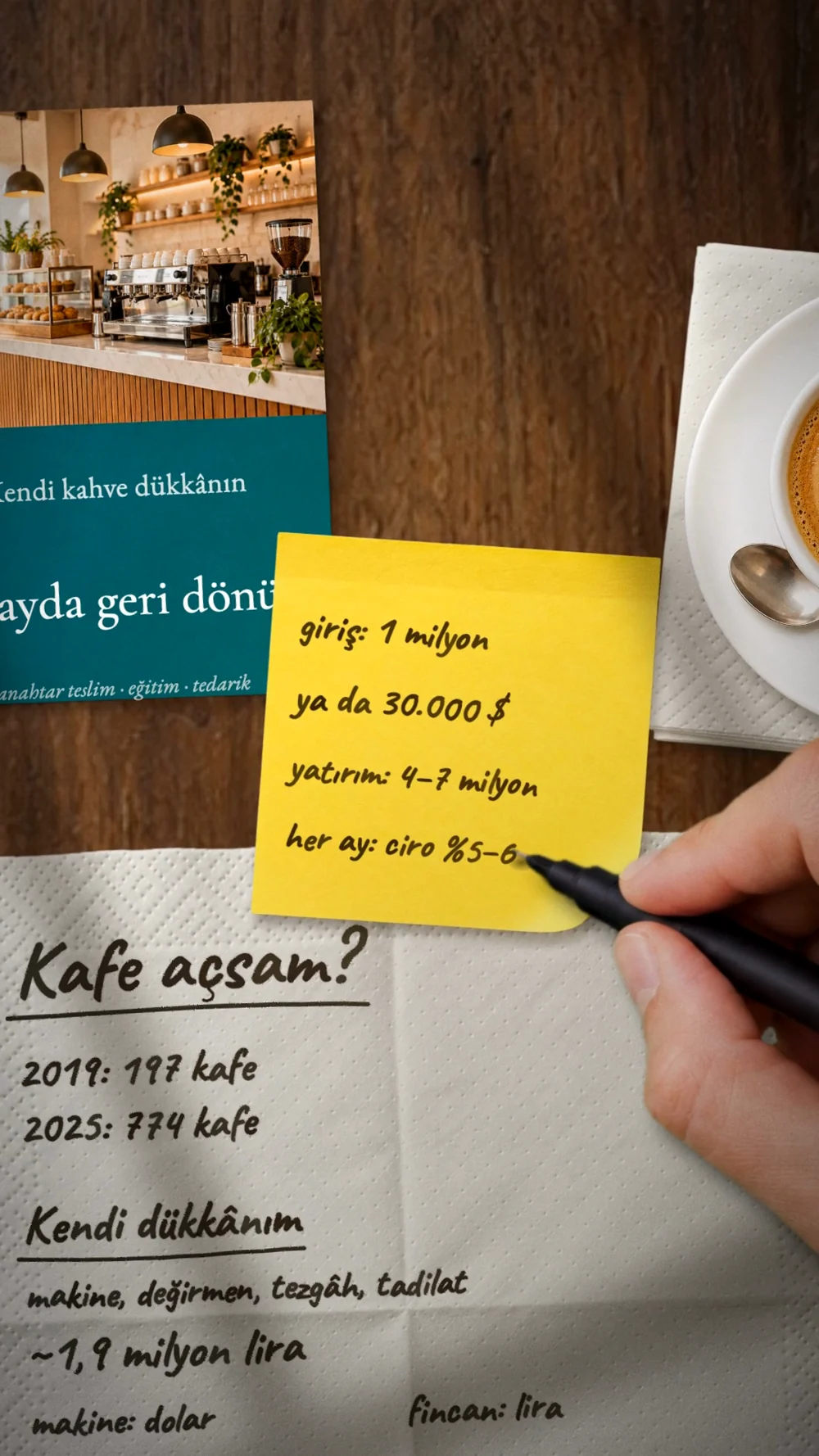
A franchise brochure and a yellow note of entry fees beside the napkin. Coffee Sociology, by Ömür Turgut.
The napkin sum for Kadıköy: rent, four baristas, break-even at 93 cups a day. Coffee Sociology, by Ömür Turgut.
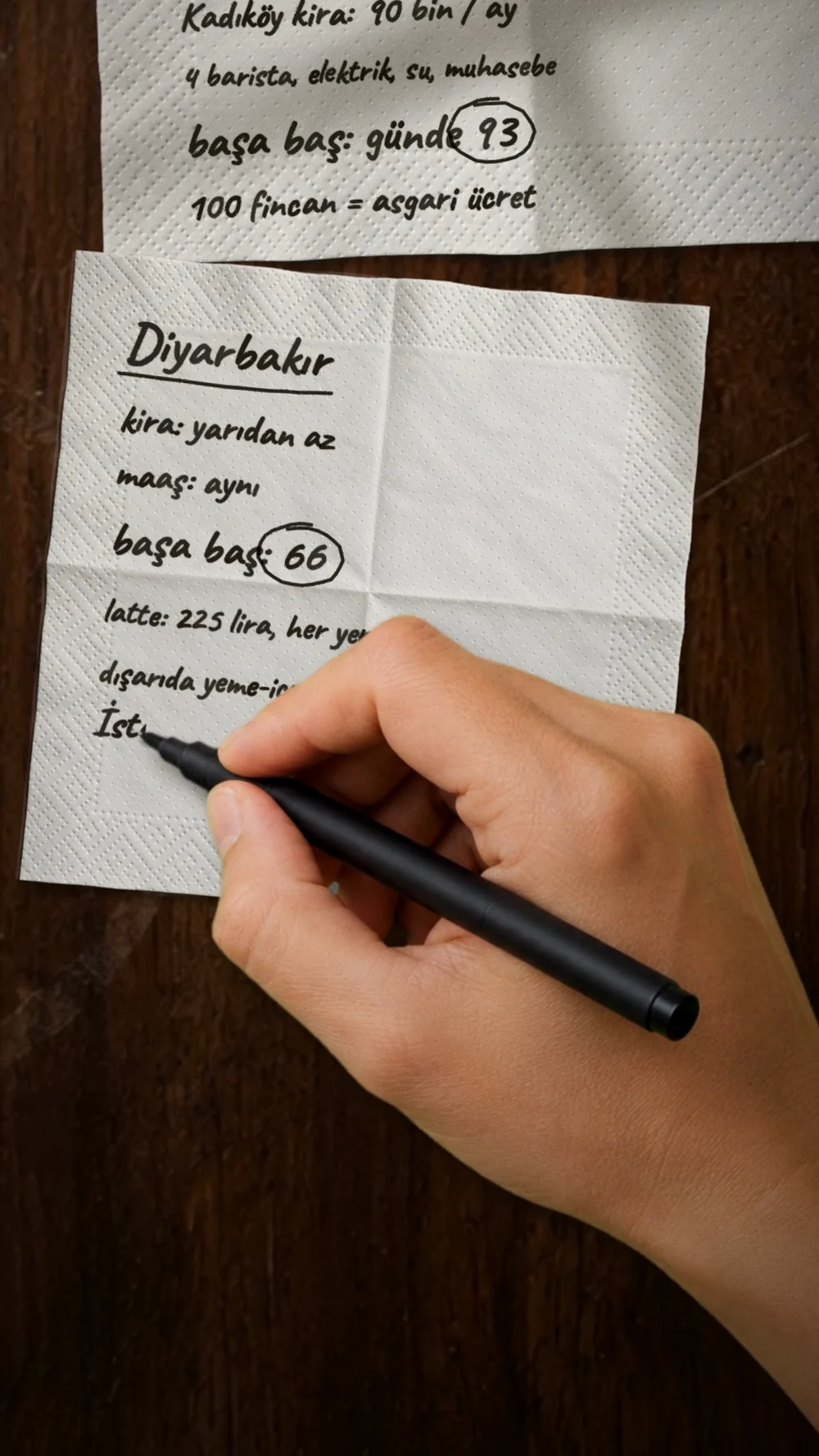
A second napkin for Diyarbakır: rent less than half, break-even at 66 cups. Coffee Sociology, by Ömür Turgut.
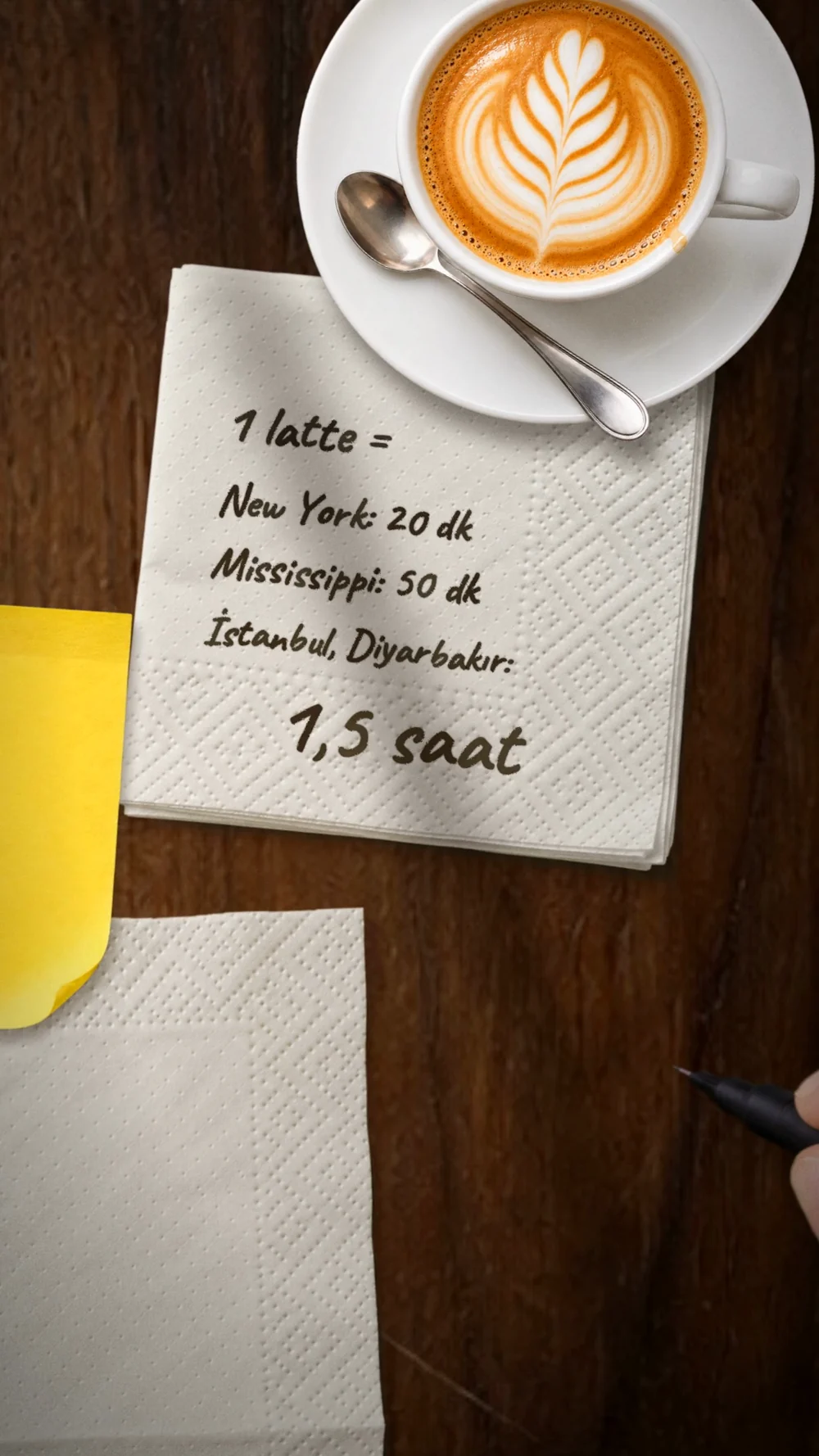
A latte beside the last napkin: one latte is 20 minutes of the minimum wage in New York, 50 in Mississippi, 1.5 hours in Istanbul and Diyarbakır. Coffee Sociology, by Ömür Turgut.

05 / 06

Five Hands

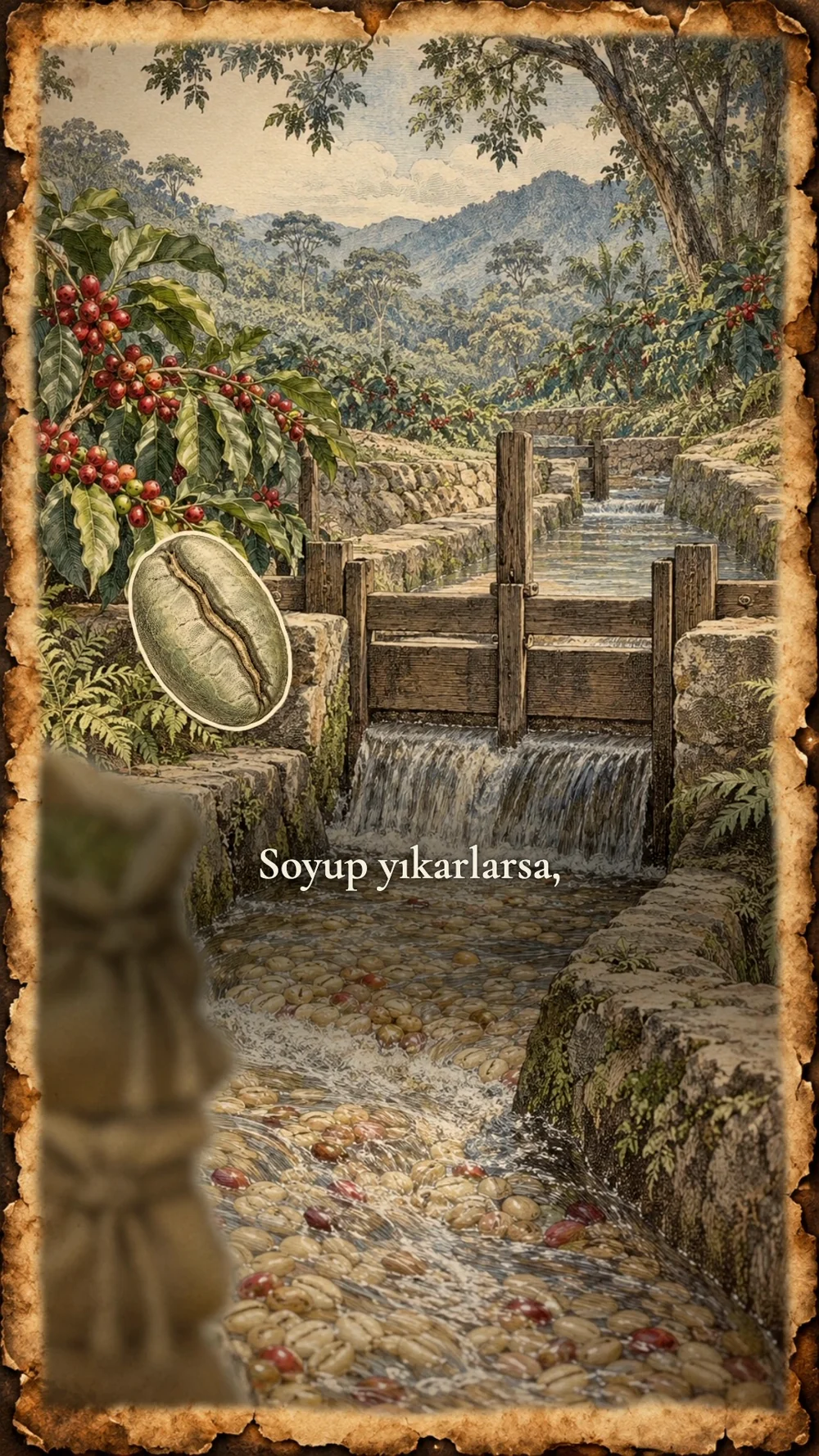
Caffeine gives only 15% of coffee’s bitterness. The bean tells the rest itself, on burnt-edged pages: soil, farmer, fire, grinder and water, five hands that each change the taste.
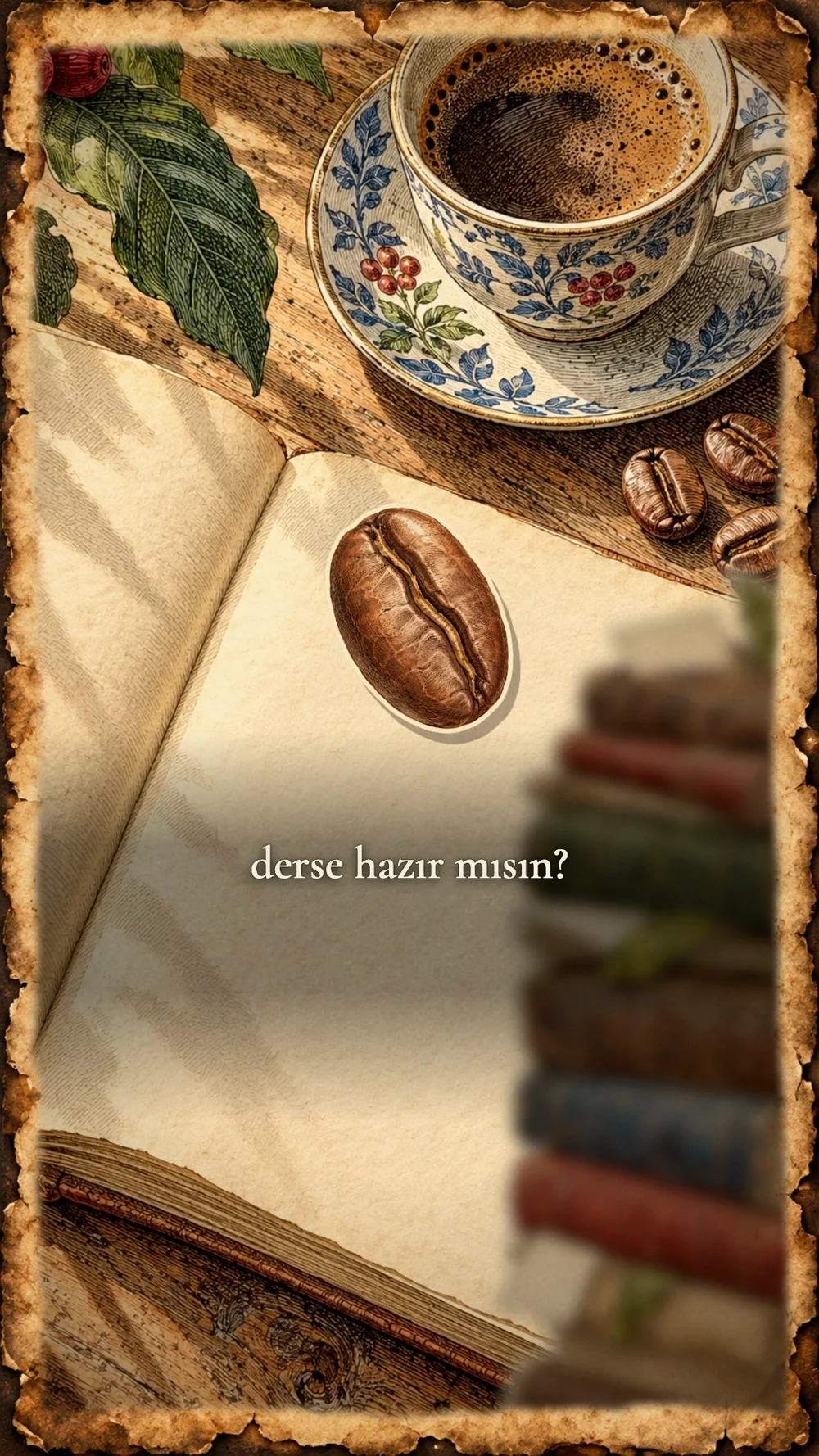
An open book beside a cup of Turkish coffee, a bean on its page: “derse hazır mısın?” (ready for the lesson?). Coffee Sociology, by Ömür Turgut.
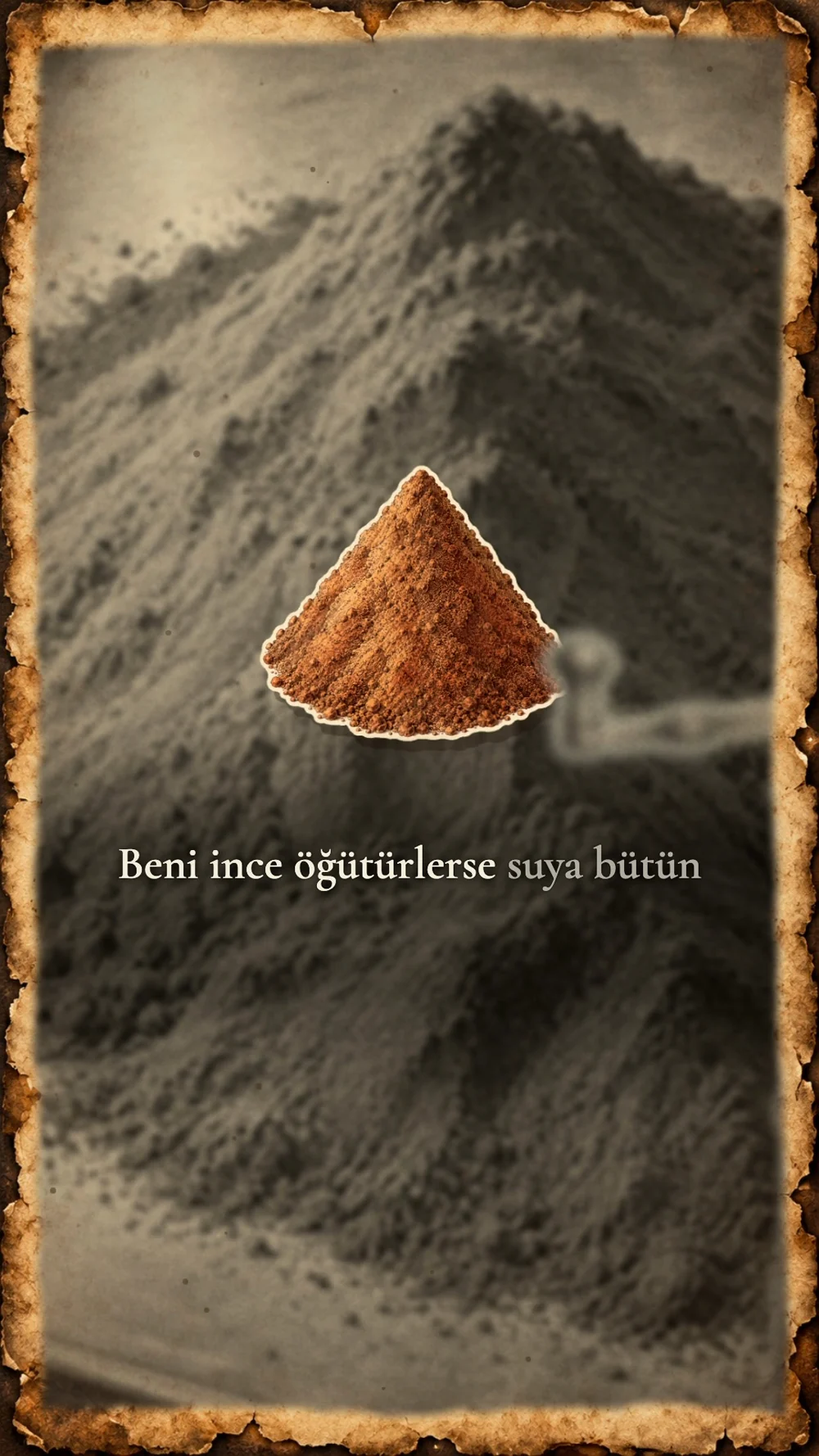
A small heap of ground coffee on a mountain of grey powder. Coffee Sociology, by Ömür Turgut.
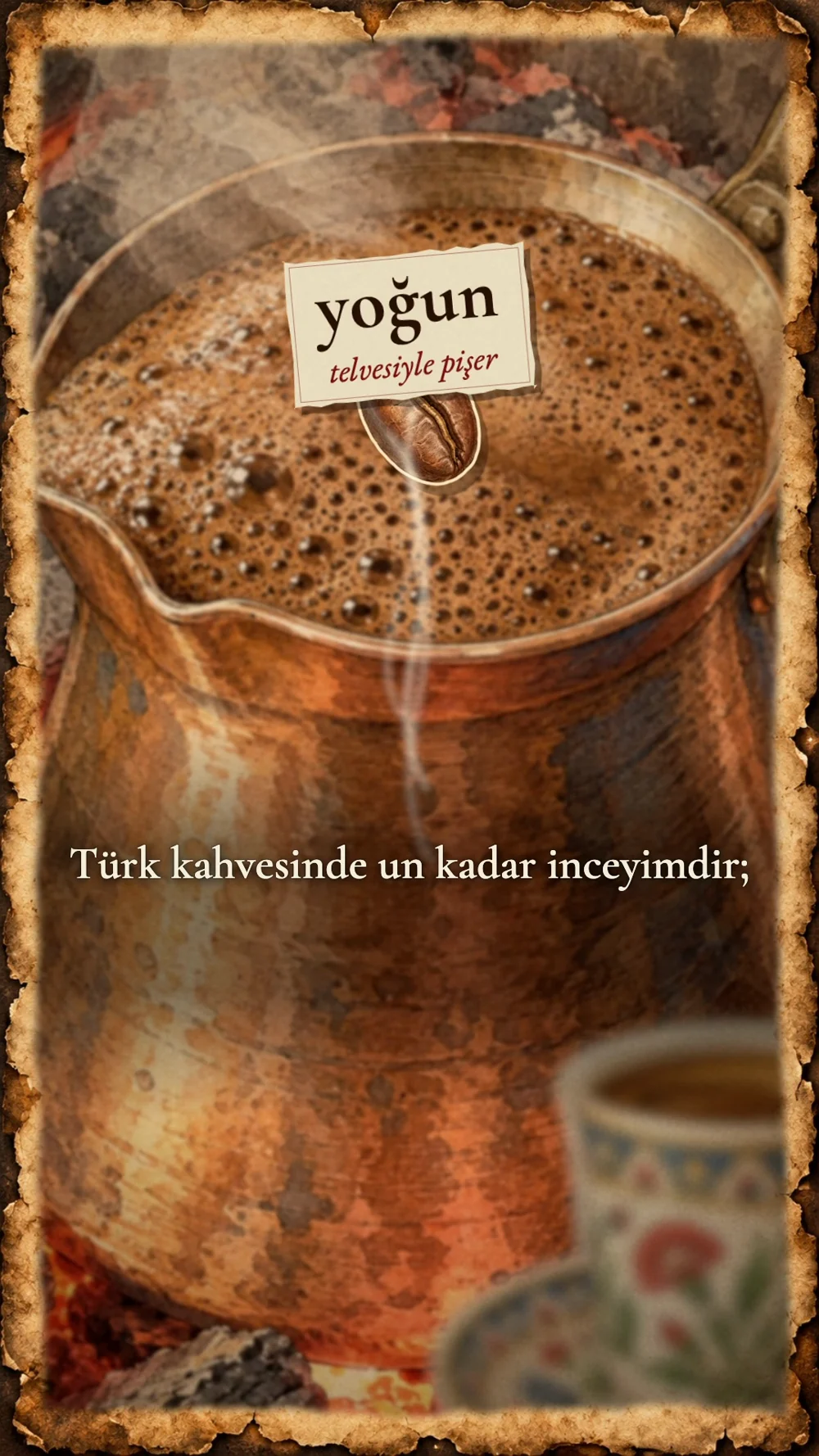
Coffee foaming in a copper cezve, labelled “yoğun” (dense). Coffee Sociology, by Ömür Turgut.
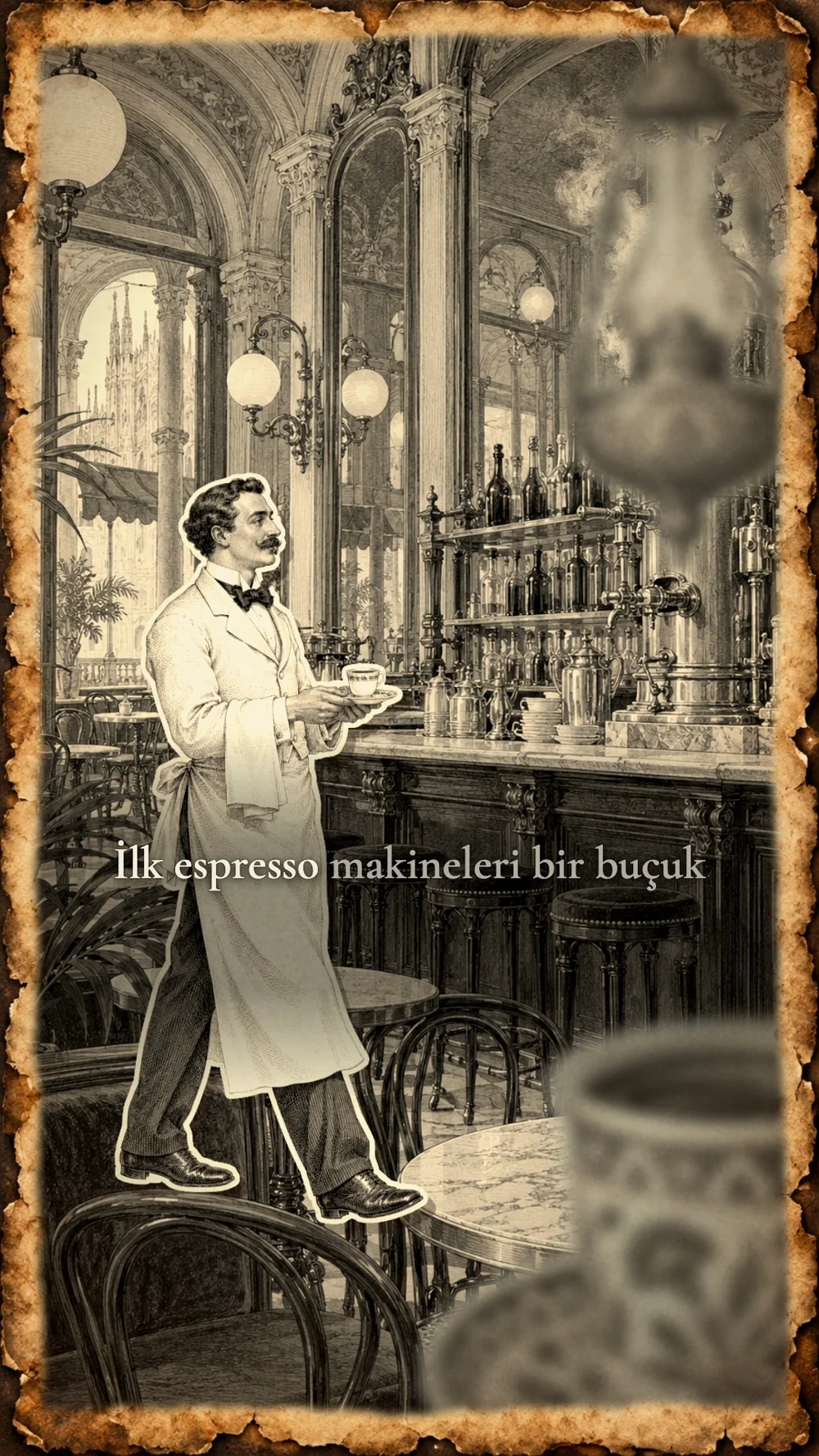
An engraving of a waiter in one of the first espresso bars. Coffee Sociology, by Ömür Turgut.

06 / 06

What a Cup Costs

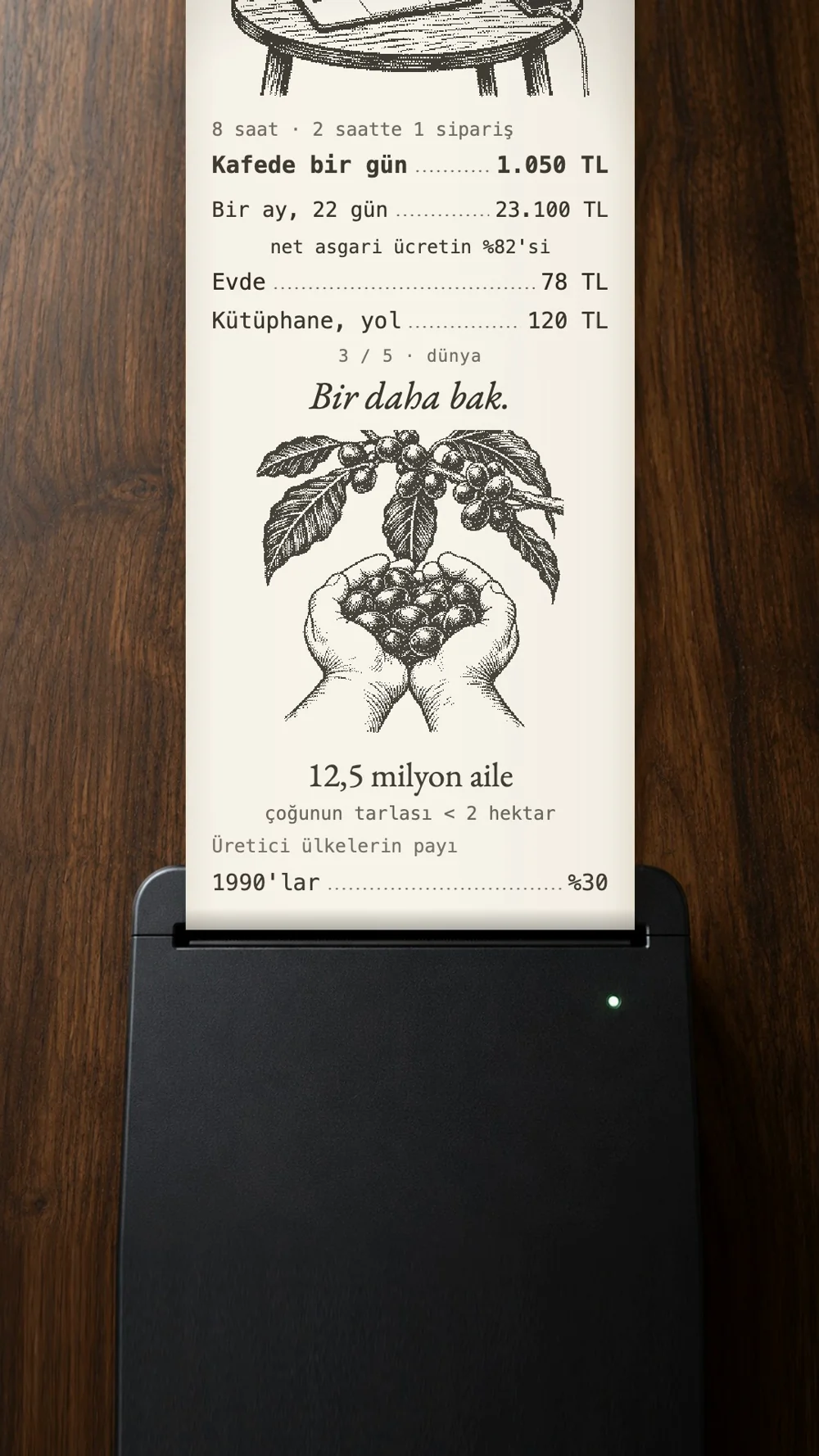
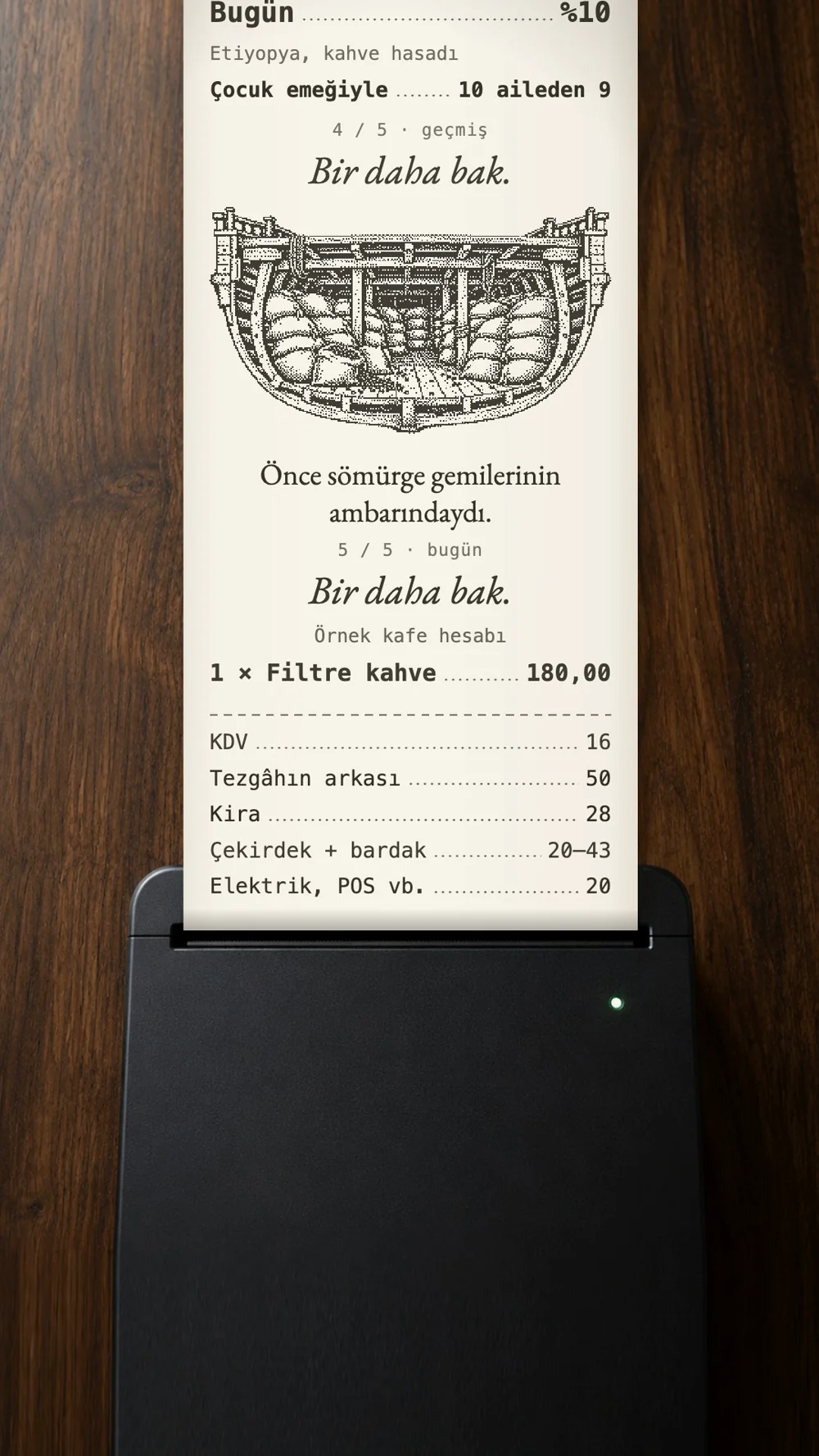
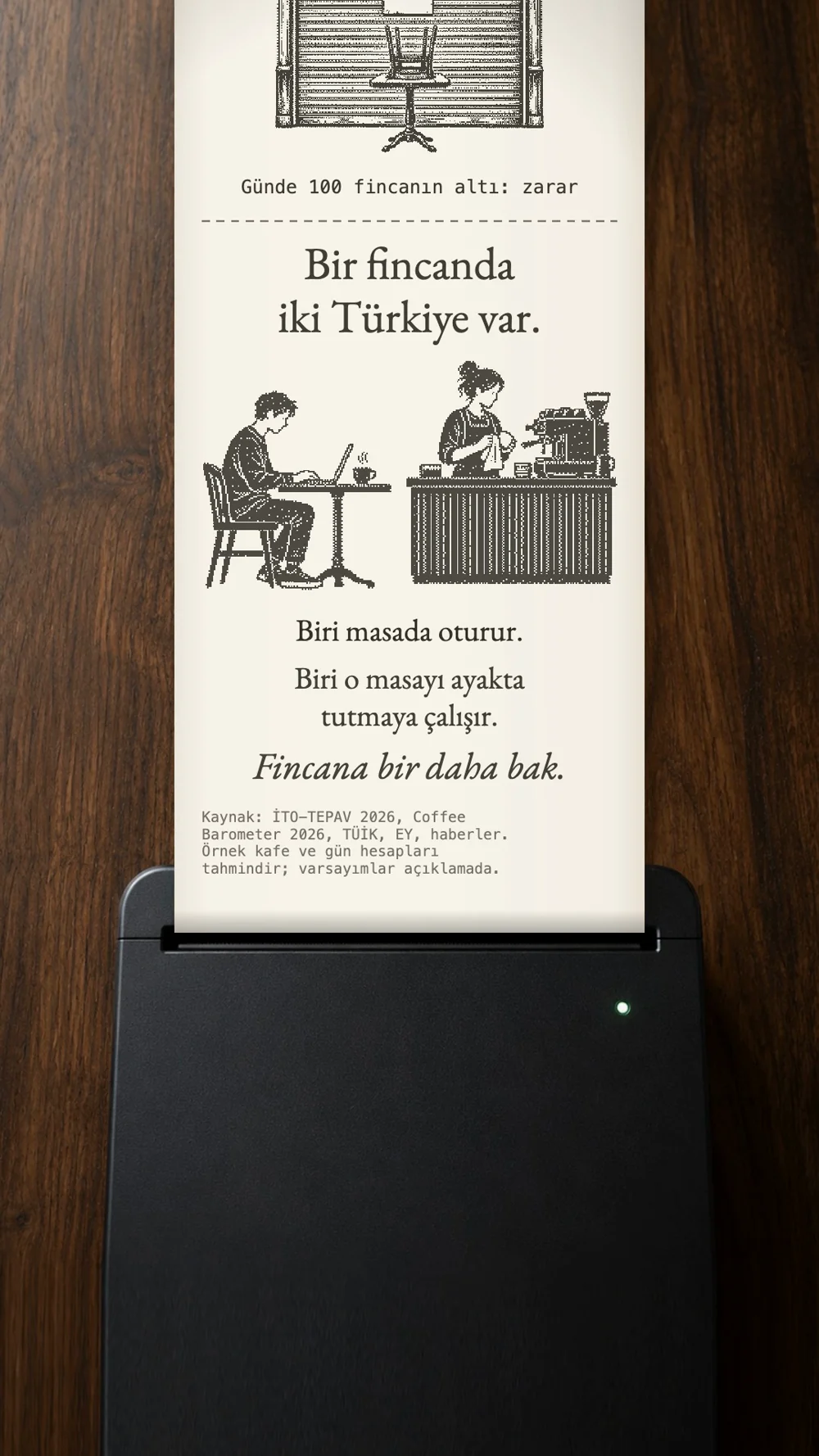
There is a café on every corner: 197 new ones in Istanbul in 2019, 774 last year. A thermal printer prints a receipt that looks at one cup five times.
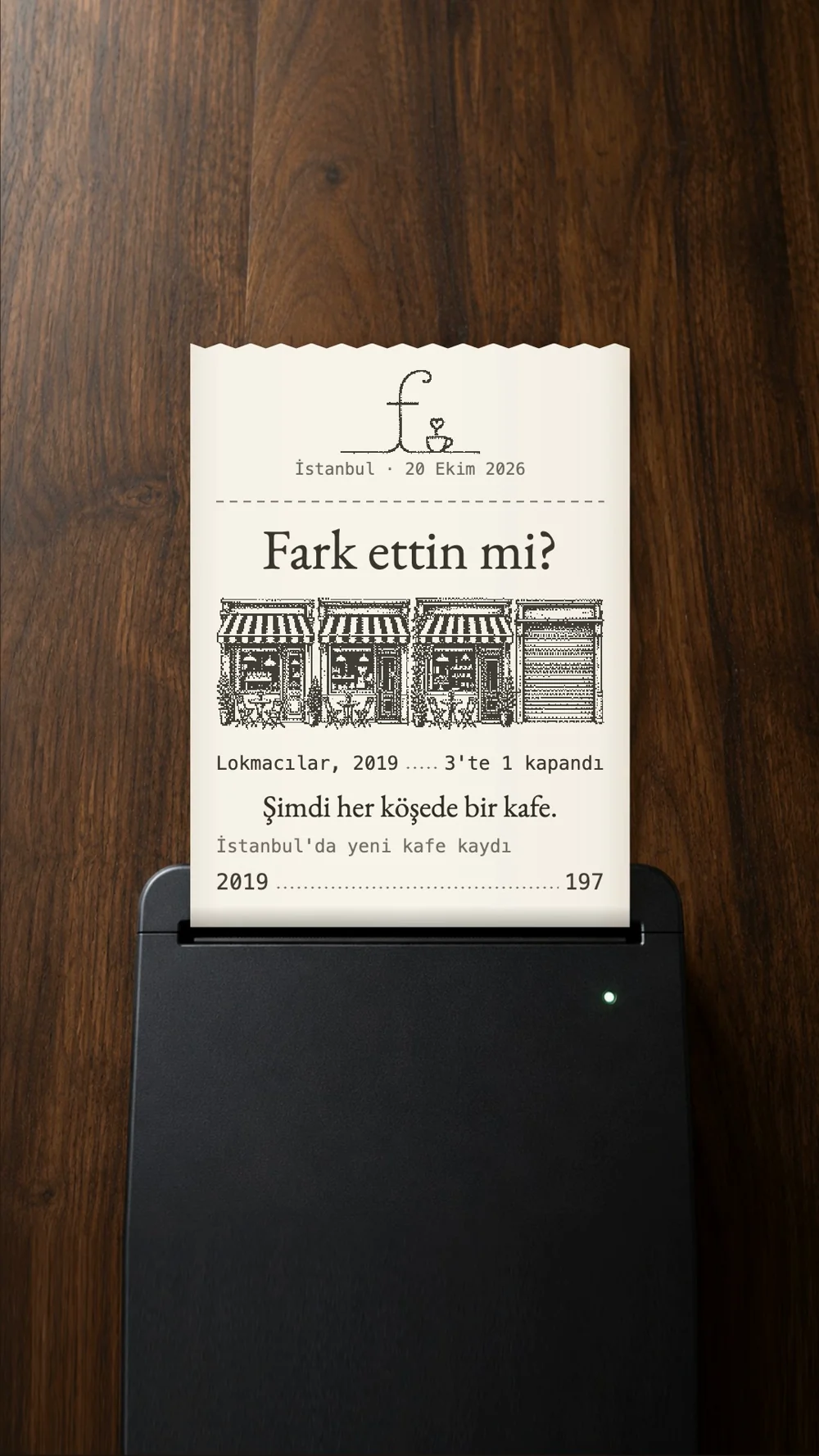
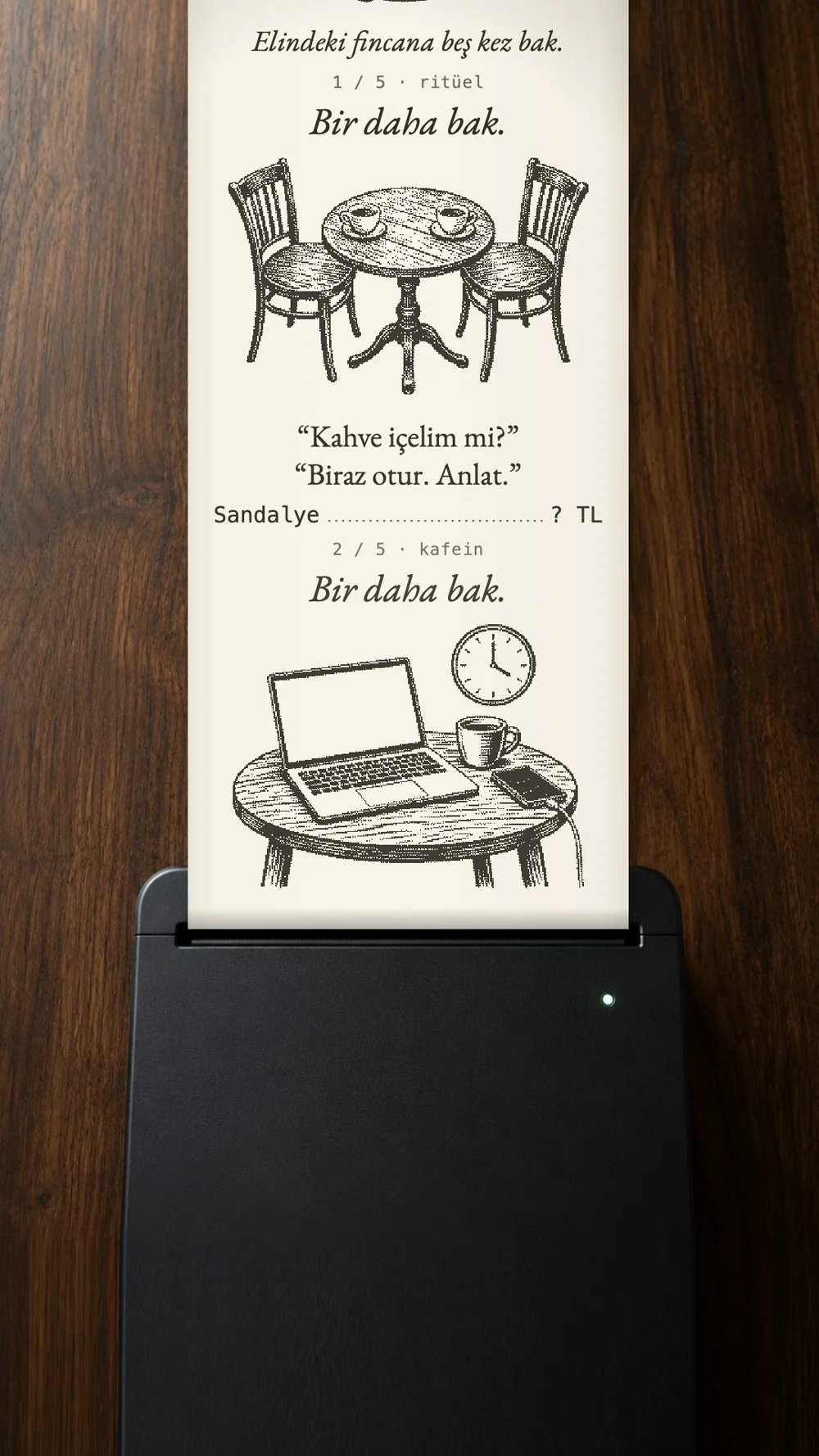
The ritual: two chairs at a café table, and “Kahve içelim mi?” “Biraz otur. Anlat.” Coffee Sociology, by Ömür Turgut.
Caffeine and the world: a day in a café at 1,050 lira, and hands holding coffee cherries. Coffee Sociology, by Ömür Turgut.
A ship’s hold full of sacks: “Önce sömürge gemilerinin ambarındaydı.” (First it was in the holds of colonial ships.). Coffee Sociology, by Ömür Turgut.
The end of the receipt: “Bir fincanda iki Türkiye var.” (There are two Turkeys in one cup.). Coffee Sociology, by Ömür Turgut.