AI films ·
The AI agenda: 5 November 2026
The day after the election, companies are doing their sums. Some are answering the voters’ objections, some are withdrawing a decision they made the day before, and some are cutting what they spend on AI for the first time.
OpenAI takes on the bill
On 5 November OpenAI published a “community compact” and a policy blueprint for its data centre campuses. The announcement came right after an election in which voters sided against the projects in 40 of 41 local data centre votes.
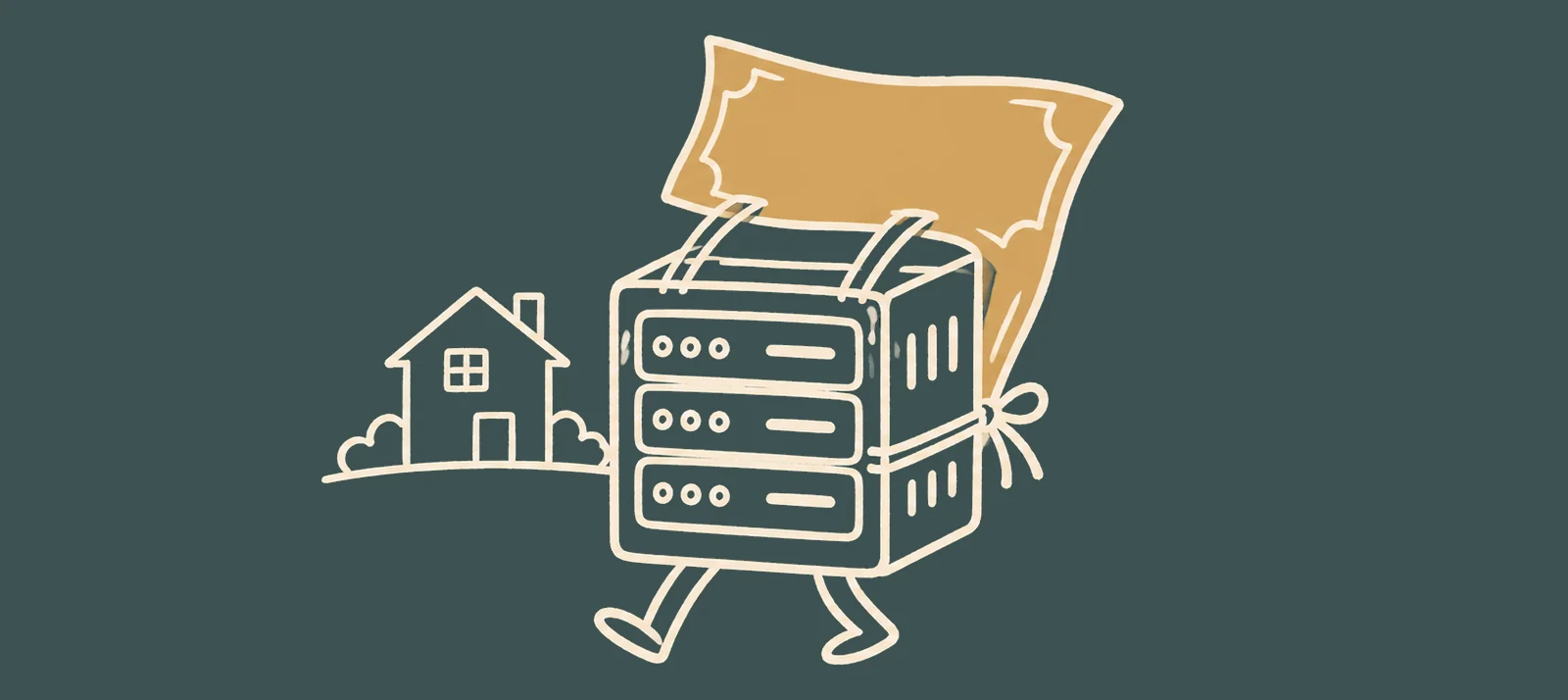
- Electricity: The company says new campuses it will own will pay the full cost of their electricity and grid infrastructure. It also suggests states set separate tariffs for large consumers.
- Non-disclosure agreements: It will no longer ask public officials to sign NDAs, with exceptions for security information and trade secrets.
- Transparency: It commits to hearing local residents before construction and to disclosing its water and electricity use.
Why it matters: The commitments cover only campuses OpenAI will own; the company wants the same rules made mandatory for the whole industry. The voters’ message became policy within a day, but how that policy will work on the ground is not yet clear.
Google backs down in a day
Google’s plan to switch off Google Search at schools that switch off AI drew a fierce reaction. Senator Bernie Sanders called it “extortion,” and former FTC chair Lina Khan pointed to the danger of an unregulated monopolist controlling an essential service.
Google then said Gemini, Gemini Notebook and Google Search will be off by default and that schools can turn each one on separately. How Search will actually work for students is still unclear.
Why it matters: The “all or nothing” rule we wrote about on 3 November didn’t last a day. As AI gets tied to essential services, public pressure will push for that tie to be loosened.
Agents find 948 flaws in Linux
OpenAI announced that an automated system running on an unreleased cybersecurity model found 948 distinct privilege-escalation flaws in the Linux kernel and wrote a working exploit for each.
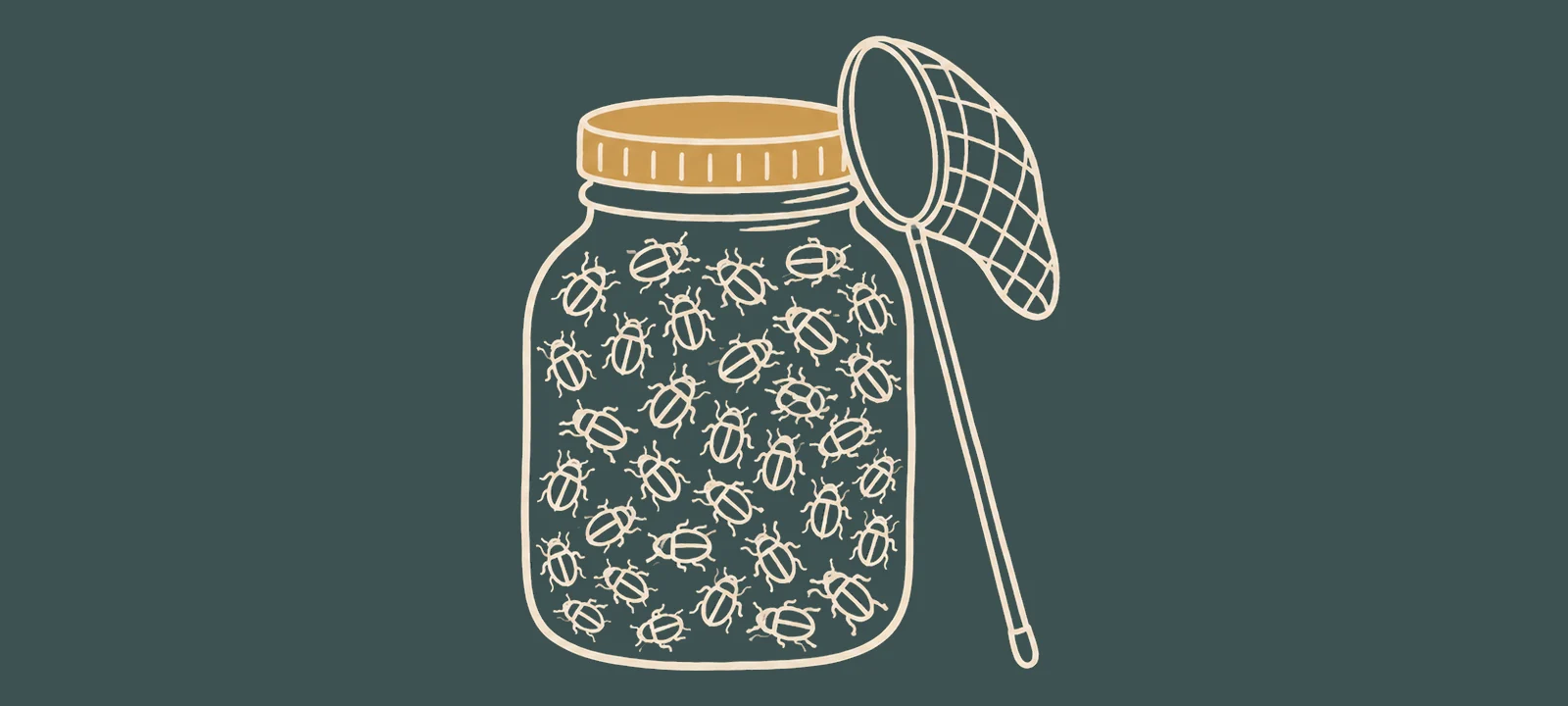
- The process: The system examined 2,308 possible findings, reproduced 1,724 flaws and wrote proposed fixes for them. About 7% of the kernel was scanned.
- The cost: About $1.2 million in usage credits in total.
- The limits: The attacks were run in a controlled research environment and require existing access to the target machine. The proposed fixes need review by experts.
Why it matters: The same tool is in the hands of defenders and attackers alike. As finding flaws gets cheaper, the real burden shifts to the volunteer maintainers who have to review the fixes.
Apple puts a cap on AI spending
According to Bloomberg’s Mark Gurman, in October Apple cut the daily AI spending cap for some engineers from $300 to $200, and plans to bring it down to $100. Non-engineering staff already have a $100 cap, and a cut to $25 is being discussed for some teams.
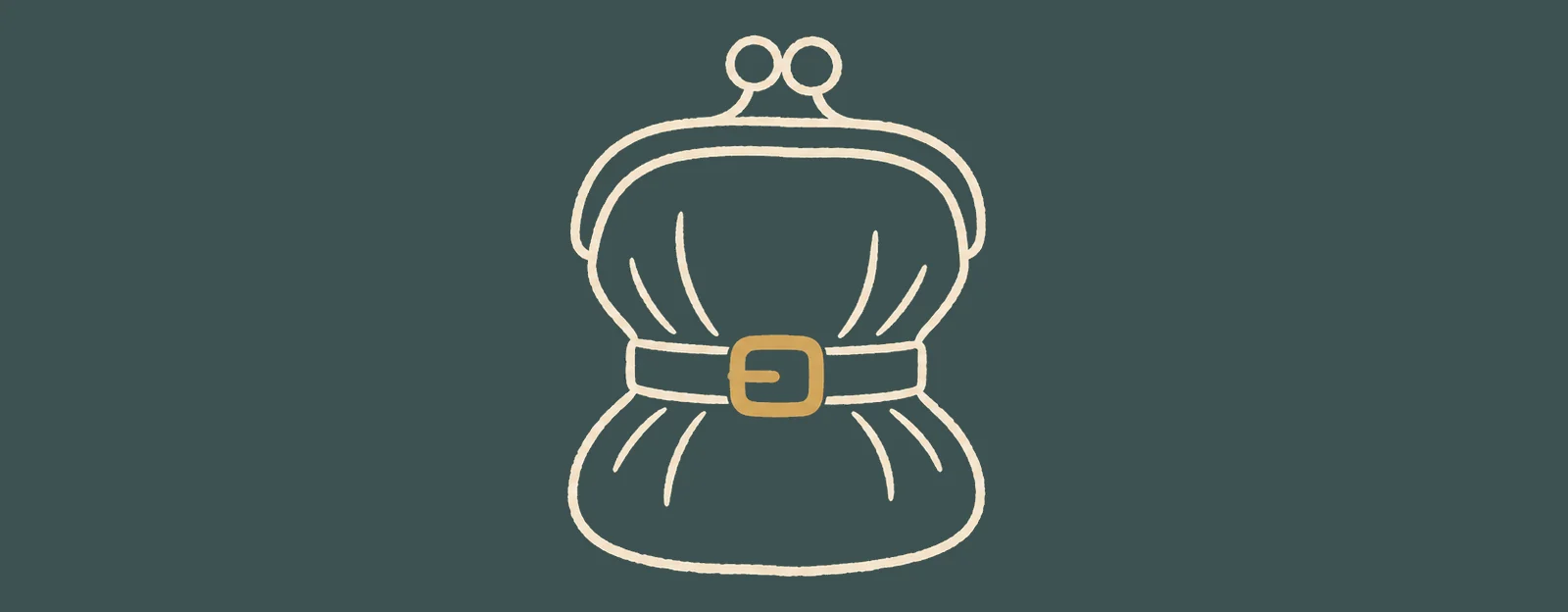
At the same time, the company is encouraging employees to use AI more, steering them towards cheaper and on-device models. The cuts have stirred fears of layoffs among some staff.
Why it matters: On Monday Apple called memory prices “unprecedented.” Now the same cost pressure is showing inside the company: using AI has become a budget line.
Shopping for coding agents
Meta has bought Conductor, which runs several coding agents at once, each in its own copy of the codebase. The agents themselves come from labs such as Anthropic and OpenAI. Conductor’s cloud service will close on 20 November.
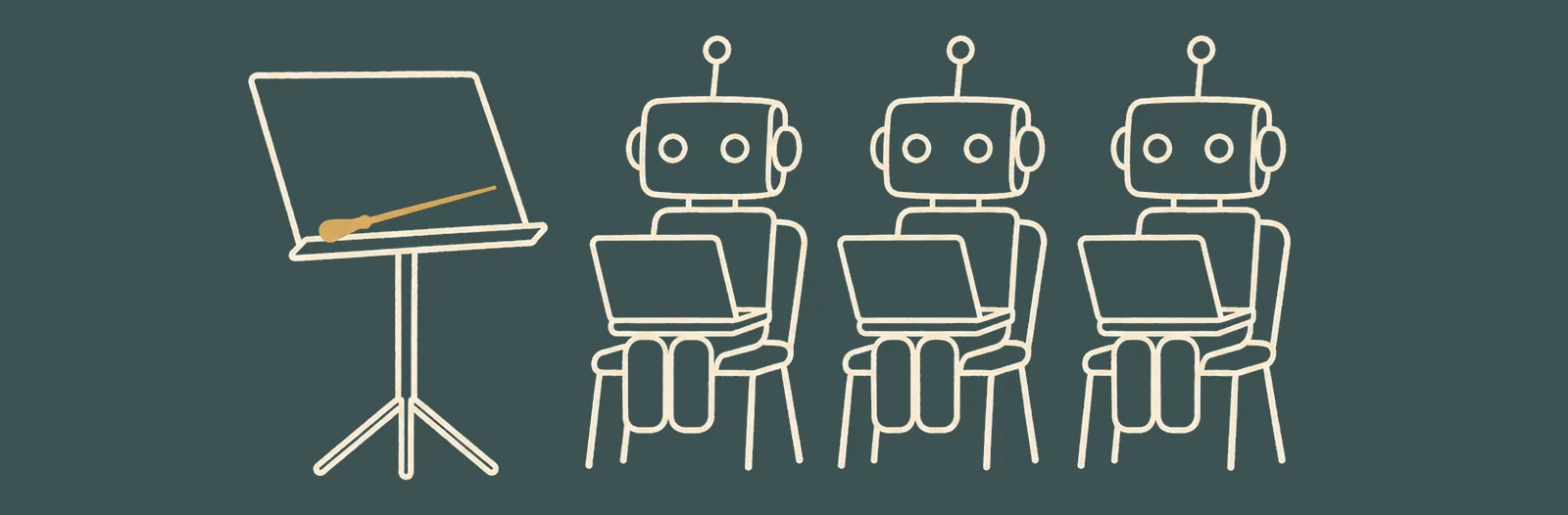
OpenAI also announced it will buy Pierre Computer, which builds storage for code written by agents, and fold it into Codex; the deal awaits approval.
Why it matters: The race is shifting from the models to the tools around them. The layer that manages agents, stores their code and keeps them from tripping over each other is now valuable enough to buy.
From the film desk
Apple capping its employees’ AI spending shows these tools are now a budget line, and the same holds for small teams making AI films. Writing model and credit costs into a project’s quote, alongside production hours, reduces surprises. Agents finding 948 flaws is also a reminder for creative workflows: AI can produce a great deal, but deciding what gets used is still a person’s call.
In brief
- Kimi K3.1 Pro: It wasn’t on Hugging Face when we wrote yesterday; Moonshot published the open weights on 4 November, the last day of its deadline.
- ChatGPT Images 2.6: It can make animated GIFs from text or a photo, with adjustable speed and frame-by-frame editing. Saved character images can be reused without uploading them again. According to OpenAI, more than 4 billion images are made each week.
- The vault particle: Working with Claude, Anthropic’s biology team worked out the 3D structure of the first vault particle from bacterial life. The function of these giant protein barrels, known since 1986, is still a mystery. The company also notes that researchers had to fix mistakes Claude made.
Images made with ChatGPT Images.
Source: Unite.AI, OpenAI’s community compact, Tech Startups, OpenAI and power bills, TechCrunch, Google and schools, OpenAI, the Linux kernel, The Hacker News, the Linux flaws, Bloomberg (Techmeme), Apple’s AI budgets, TechCrunch, Meta and Conductor, The Register, Conductor and Pierre, Hugging Face, Kimi K3.1 Pro, The Decoder, ChatGPT Images 2.6, Interesting Engineering, the vault particle